Blog

Road Trip Safety-Dealing with Natural Disasters in the USA || ThereGoesSaraRose.com

Road trips run the risk of encountering natural disasters, what do you do when it happens? Let’s look at things that can happen in all three major regions of the U.S.A.

TRAVEL. ART. FOOD. ThereGoesSaraRose.com

When I drove my first road trip away from the West Coast, I decided to go big! However, so did the weather in several areas. To be honest, at a certain point, I was scared. Why? I was unsure of the safest thing to do. Disaster movies came to mind with visual recollections of characters tying themselves to metal posts in tornados or being swept away in a tropical cyclone. What of these, previously entertaining moments, were factual, if any?

Listen to a podcast of this travel blog here: https://anchor.fm/theregoessararose/episodes/Ep-10-Road-Trip-Safety-Dealing-with-Natural-Disasters-in-the-USA–16-States-in-16-Days-e158251

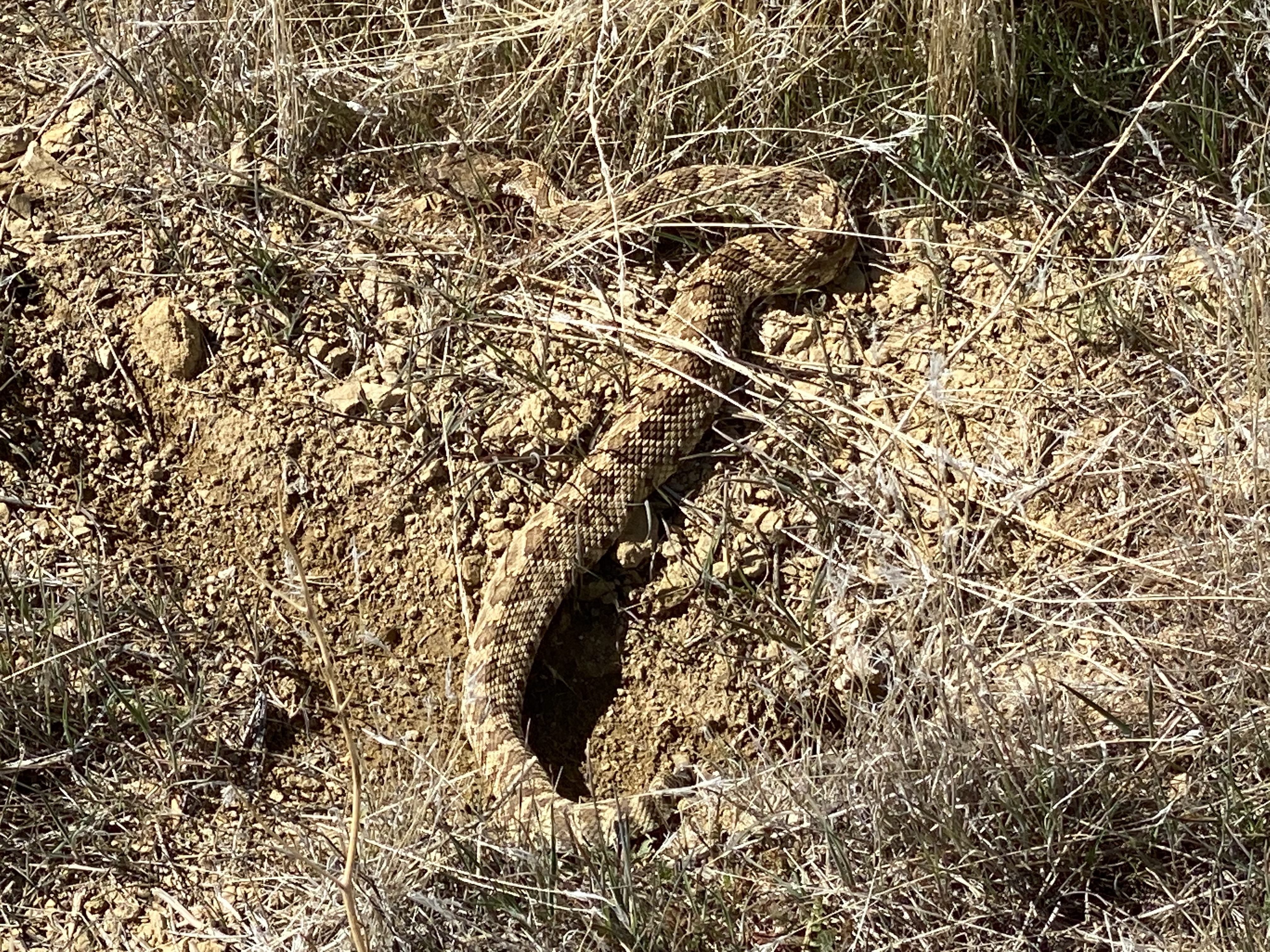
My summer 2021 road trip, “16 States in 16 Days,” totaled about 6,000 miles, and I bumped into everything! In Louisiana, the trip found itself caught on the edge of Tropical Storm Claudette on June 18th just as the drive headed toward Tennessee (the storm lasted in Louisiana for a few days). Just a day later, my phone alerted me I was in a, “dangerous +2 lightning storm,” while headed to St. Louis, Missouri. Both of these drives had rain so hard, it was difficult to see the road, cars, or anything but water. During the evening stay in St. Louis, there was minimal rain. However, the lightning shot across the sky from all around and sometimes struck the same spot several times within a few seconds of each other.

Windy, of course, and drizzling most of the next day in Chicago, that evening turned for the worse. I spent 2 hours in a hotel stairway that night, accompanied by rain, sirens, a lovely couple who had just gotten married, and an F3 tornado raging about 15 miles south of our location. This was easily one of the most scared moments I have had in my life, fascinated by science, and hopeful for others caught in the path of the “finger of God”. As much as I loved Chicago, (trust me, there was PLENTY of time to see things in the city!) I noped right out of there the next morning. If that wasn’t enough, several fires raged across the USA with the worst in Colorado, and, well, it even rained in Las Vegas. Yes, it does rain in Vegas. Seeing events like these firsthand humbles you and makes you really appreciate first responders and the helpfulness of a fellow being.

Every time you go on a road trip you run the risk of hitting some kind of weather event or natural disaster, whether it’s a major storm, wildfires, landslides, earthquakes…so, what do you do when it happens? I was aware of more extreme weather changes in the midwest but did not realize the intensity until being present for them and checking online weather reports. Let’s look at things that can happen in all three major regions of the U.S. to keep YOU and me safer on our adventures!

West Coast

Yes, we do have earthquakes. Thankfully, our infrastructure is built for them and it’s relatively rare for one to do real damage. But we have some other issues, too. Here’s what to do in each of them.

  1. Earthquakes. If the road starts to shake, you should carefully pull over. Do not stop under or on a bridge or overpass, or under trees, light posts, signs…anything that might fall on your car. The safest place to be is in your car. When you resume driving, keep it slow and watch for breaks, cracks, potholes, fallen rocks, and damaged bridges. If you’re at the waterfront and the sea starts to leave, get inland and onto high ground quickly. A receding sea can be the first sign of a tsunami.
  2. Wildfires. Unfortunately, fire season has been particularly bad over the last few years. If you are in an area with smoke, keep your windows rolled up. Stay in your car. Close your air vents. Continue driving, but avoid heavy smoke if possible, keeping your headlights on. Obey road closures and detours and always let firefighters pass. Be flexible with your plans.
  3. Storms. Hailstorms are pretty common in the mountains, and can sometimes trigger rock falls and landslides that block passes. Try to avoid a schedule that will cause issues if a pass is blocked for several hours.
  4. Excessive heat. Southern California gets pretty hot, and this is also a note for the southwest desert states. If driving through the desert, make sure to have plenty of water in your trunk and also take salty snacks. Park your car in shady areas if possible.

Central

We’re not going to talk about those Midwestern winters because that’s not when you’re going to be taking your road trip. Leave that to the people who live there.

But there are some things to worry about even in the summer.

  1. Tornadoes. A tornado warning means that conditions are possibly suitable for a tornado. A tornado watch means that the storm is producing potential tornado conditions and/or a tornado has been sighted. In towns where tornadoes are common, you may hear sirens…if you do, go into the nearest open building and go to an interior room or basement. Find out if your hotel has a tornado shelter or a basement area. If not, the safest place to be is the bathroom. Do not go anywhere until the tornado warning has passed. If you are on the road and the tornado is distant, turn at right angles to its path and drive until you find a sturdy building. If you’re actually caught in high winds, pull over, park, and tuck yourself in the bottom of the car….or leave and put yourself in a ditch. Don’t shelter under a bridge.
  2. Lightning. If you are driving during a lightning storm, stay in your car. Even if your vehicle is hit, you are likely safe as the metal frame conducts lightning past you. Make sure any sunroof is thoroughly closed. Pull over if visibility is too bad to safely drive.
  3. Excessive heat. In the central south, you have the same heat issues as in the desert. However, the further east you go, the higher the humidity. Check not just the temperature but the heat index and avoid physical activity during the hottest part of the day.

East Coast

In general, the East Coast has less severe weather than other areas, but the biggest concern is hurricanes. Unfortunately, hurricane season overlaps with the summer vacation season. You might, though, consider scheduling your trip earlier in the summer. While hurricane season starts on June 1, it’s rare for there to be severe storms before August.

  1. Hurricanes. The nice thing about hurricanes is that you can see them coming. The bad thing about them is they last for days. If you are planning a trip during hurricane season, be ready to change your plans. If you’re booking stuff in advance, consider travel insurance. Don’t stick around…make sure you have a full tank of gas and get out. Every year, some idiots get hurt trying to watch a hurricane.
  2. Lightning and thunder. East Coast storms tend to be shorter and less intense than those in the Midwest, but dangerous summer storms are not unknown.
  3. Excessive heat. High heat and humidity are an issue everywhere from Maryland south. Avoid scheduling heavy activities for the hottest part of the day and keep plenty of water in your car.

The most important thing is to be flexible. You never know what might happen and you need to be willing to accept a bit of a detour. Sometimes it can be more exciting than your original plans! To find out more, contact There Goes Sara Rose today.
History, Art and the Free Spirit on Route 66 || 16 States in 16 Days

Come along Route 66 with me and JOIN THE ADVENTURE!

TRAVEL. ART. FOOD. ThereGoesSaraRose.com

You know about US Highway 66, not because you are deeply invested in highway systems, but because of the yearning for freedom. Though it wouldn’t be completely paved until 1938, US Highway 66, commonly known as Route 66, entered the US Highway System in 1926. Its significance takes many forms. It was the first all-weather highway between Chicago and Los Angeles, two massive economic focal points of the American West. Its development from dirt-road-to-superhighway epitomizes economic development and the remarkable geographical links brought about by a robust national public highway system. Its birth and development came at a time of immense turmoil and economic upheaval, yet it persisted.

Listen to a podcast of this travel article here: https://anchor.fm/theregoessararose/episodes/Ep-9-History–Art-and-the-Free-Spirit-of-Route-66–16-States-in-16-Days-e1570m1

As a result, it became the romanticized highway we know today, coming to symbolize the optimism that fell over the American people after WWII. Bridging the Rocky Mountain divide and stretching to the Pacific Ocean, Route 66 represents the free-spirited ideation of a country already firmly built on free-spirited ideation. Pulling on the history of the USA with its free-spirited energy, and embracing what it means for my own adventures, is why I’m going.

Why is this trip so pivotal? This is the first time I have left the West Coast, the first time I have traveled on such a road trip, and the first time I have gone so far with the specific goal of collecting and sharing what I can with all of you (translation: Taking more tech supplies than clothes!). This is the moment I set out on my professional path, one I carve out for myself, and I welcome you to come along as, “There Goes Sara Rose”!

How to Road Trip on Route 66

“Historic” vs Interstate

In 1985, Route 66 was removed from the United States Highway System, as its utility had become unnecessary in the wake of the successful Interstate Highway System. After it was decommissioned, numerous organizations worked to preserve significant structures, features, and artifacts of the road. Their work has resulted in the “Historic Route 66” that we know today. This is not to be confused with Interstate 66 (I-66), which is not connected whatsoever to the original Route 66. 

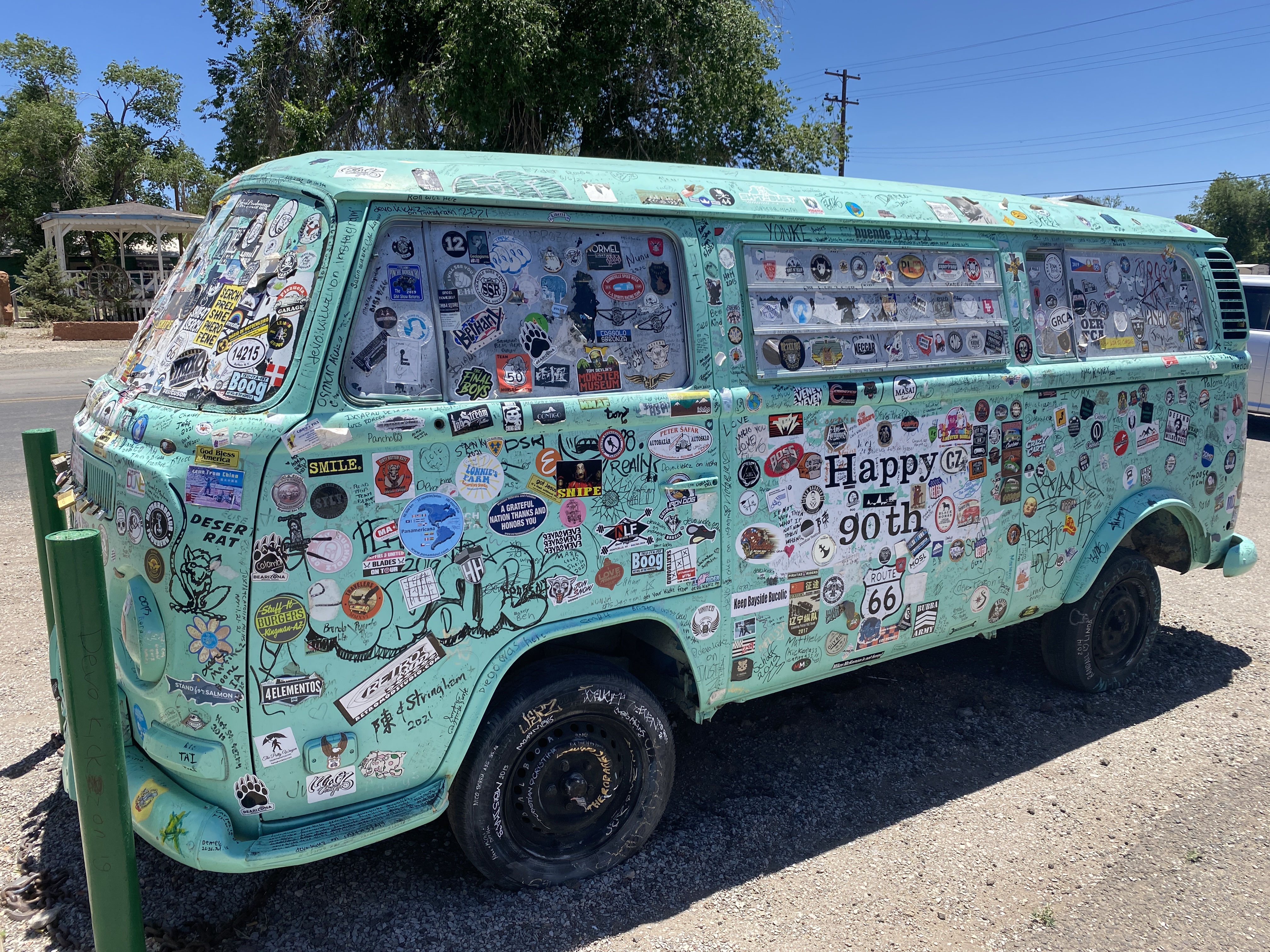
VW Bus Tourist Stop next to The Copper Cart in Seligman, Arizona. Photo: Rose, S. (2021)

The modern version of Route 66 we know today isn’t entirely drivable, as it no longer needs to serve as a functional highway. Instead, the drivable portions serve as monuments to American history. Some of these spots have been turned into historic locations with informational posts, signs, and more! You will see many on my socials and here at ThereGoesSaraRose.com.

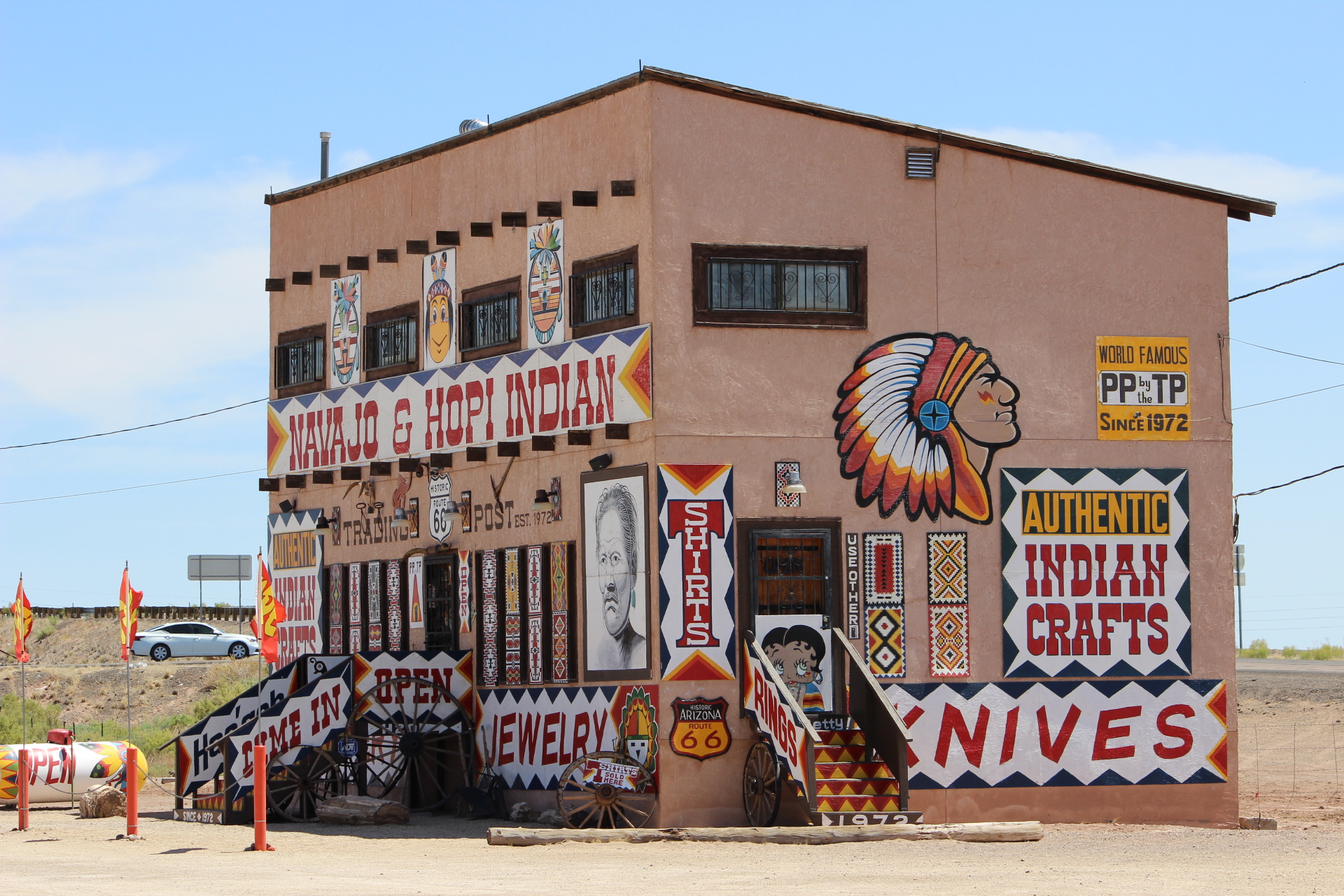
Navajo & Hopi Indian Arts and Crafts Center in Winslow, AZ Photo: Rose, S. (2021)

Packing Your Clothes

Compression travel bags, such as the Hefty Shrink Pak Travel Bags I used, are an excellent way to pack for a road trip when organized correctly. A packing tip section may sound simple, but these bags and this method saved me hours of frustration:

  1. Keep your clothes CLEAN! You may try to keep dust and dirt out of the car but the windy air will not allow it!
  2. Keep your clothes EASY TO ACCESS! With one bag per day for clothes, you can skip taking the suitcase into your lodgings except when it is time to wash. Traveling with friends? Still consolidate outfits into one bag per day.
  3. Keep your clothes ORGANIZED! Folding and keeping bags flat as possible before compression leaves room for important extras such as swimsuits, extra socks, a windbreaker etc. to help with various weather plans.

You will want to map out a plan regarding when you will clean your clothes and take change and laundry soap; do not assume you will have clothes cleaning services nearby! Having a windbreaker, rain poncho, and/or warm weather gear when traveling in winter is a key part of being prepared for anything.

Route 66 Highlights-Subscribe for More!

The love for nostalgia is evident in the care that has been taken with preserving these pieces of history, a moment in time saved to share a story. Many of the stops have several signs touting a landmark of some type, beaming with pride at passing drivers, enticing them to “take the next right!”. The unplanned stops became my favorite; the finding of the unexpected just as appealing as a curated museum. A friend and I spent almost an entire 16 days photographing, recording, and taking notes of various parts of the United States, from the Mojave Desert to New Orleans, from Chicago to Las Vegas. Make sure to subscribe and follow this blog to be the FIRST to get these stories, photos, and more!

Here are a few excellent attractions along Route 66 I missed I planned to return to, such as:

Delgadillo’s Snow Cap Drive-In

Located in Seligman, Arizona is a historic eatery that was built in 1953 by Juan Delgadillo. It stands out from the crowd quite literally as it was built mostly from scrap lumber. Flamboyant and humorous, featuring menu items like “Dead Chicken” and “Cheeseburger With Cheese”, Delgadillo’s is a delightful stop on Route 66. 

Cadillac Ranch

A public art installation in Amarillo, Texas, Cadillac Ranch is one of the many quirks of Route 66. Buried in the desert sand are ten graffiti-covered Cadillacs. Visitors to the installation are welcome to contribute to the artistic display with their designs spray-painted onto the Ranch’s vehicles.

The Wigwam Motel

A curious motel in Holbrook, Arizona furnishes guests with the chance to sleep in wigwams for the night instead of traditional motel rooms. While the rooms are shaped like tipis as opposed to the more hut-like wigwam, this kitsch motel is still a great place to lay your head.

Join The Adventure!

The dream of travel, seeing places never seen, and turning that into art, is the whole reason why I write this blog. If that’s something you’re dreaming of too, I hope these posts help inspire you towards taking your own journey. Want to get your kicks on Route 66? Come along with me for the first major leg of my travels in “16 States in 16 Days”! Follow me on social media for updates as they happen and subscribe to my blog for stories on my adventures. Thank you for coming on this journey with me.

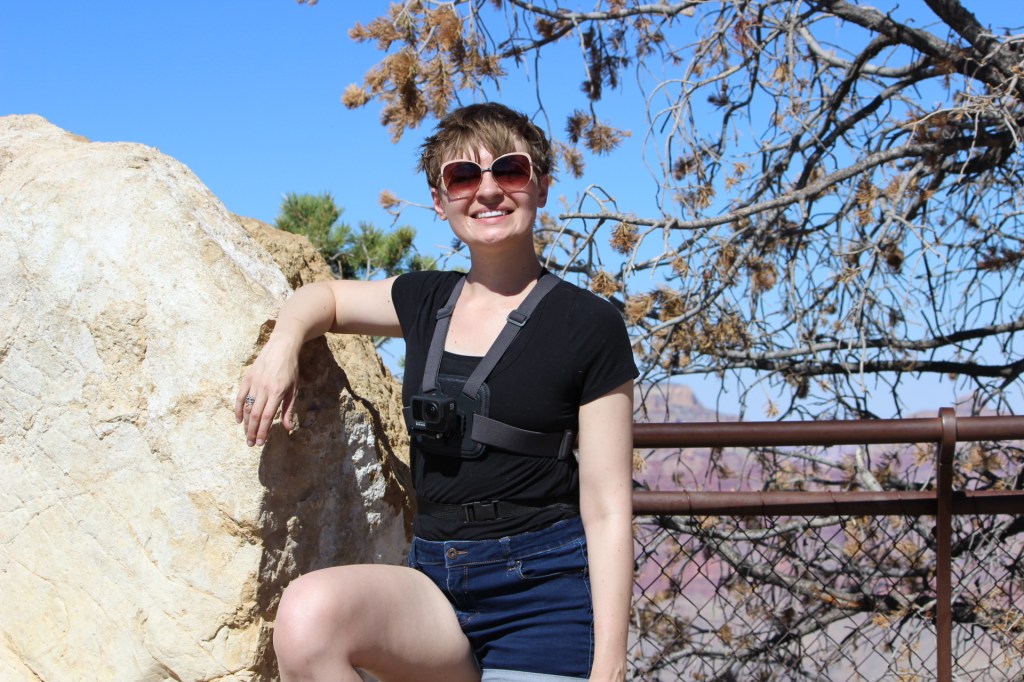
Sara Rose at the Grand Canyon, Arizona. (Photo: Neri, M. 2021)

P.S. Notes while traveling are key! Purchase Word Vomit: A 90-Day Expression Journal to give yourself space for mindless doodles, inspiring art, and processing unfiltered emotions! This is a great way for you, your friends, or kids to prepare for a blog of your own or just word vomit!

WHY read a Travel Blog? || Introducing Sara Rose

Welcome to OUR Adventure! Are YOU ready to join, is the question? EXPLORE more here!

TRAVEL. ART. FOOD. ThereGoesSaraRose.com

One would think an Introductory post would be the first thing a blogger would share, but who wants to do EVERYTHING by the books, anyway? Welcome to my journey of finding myself…tomorrow we shall wanderlust but until then I am fine being wanderLOST!

She turned and walked in the direction she wanted to go, by herself. It wasn’t something she wanted at the moment, she just wanted chicken, in a sandwich, dipped in sauce…it really didn’t matter except she knew the goal was chicken. Who was this girl? Well, she was me, the moment before I felt changed as a person. This moment took place during my filming and production of, “16 States in 16 Days”, amazing photos and videos coming your way soon! But, I am specifically NOT a solo person, someone who is great at taking care of me and spending time, comfortably, with myself…that is SO not, well…me. Yet here I was, in the middle of the French Quarter and Bourbon Street at 1 AM, eating chicken all by my lonesome.

Listen to a podcast of this travel article here: https://anchor.fm/theregoessararose/episodes/Ep-8-WHY-Read-a-Travel-Blog—Introducing-Sara-Rose-e156vie

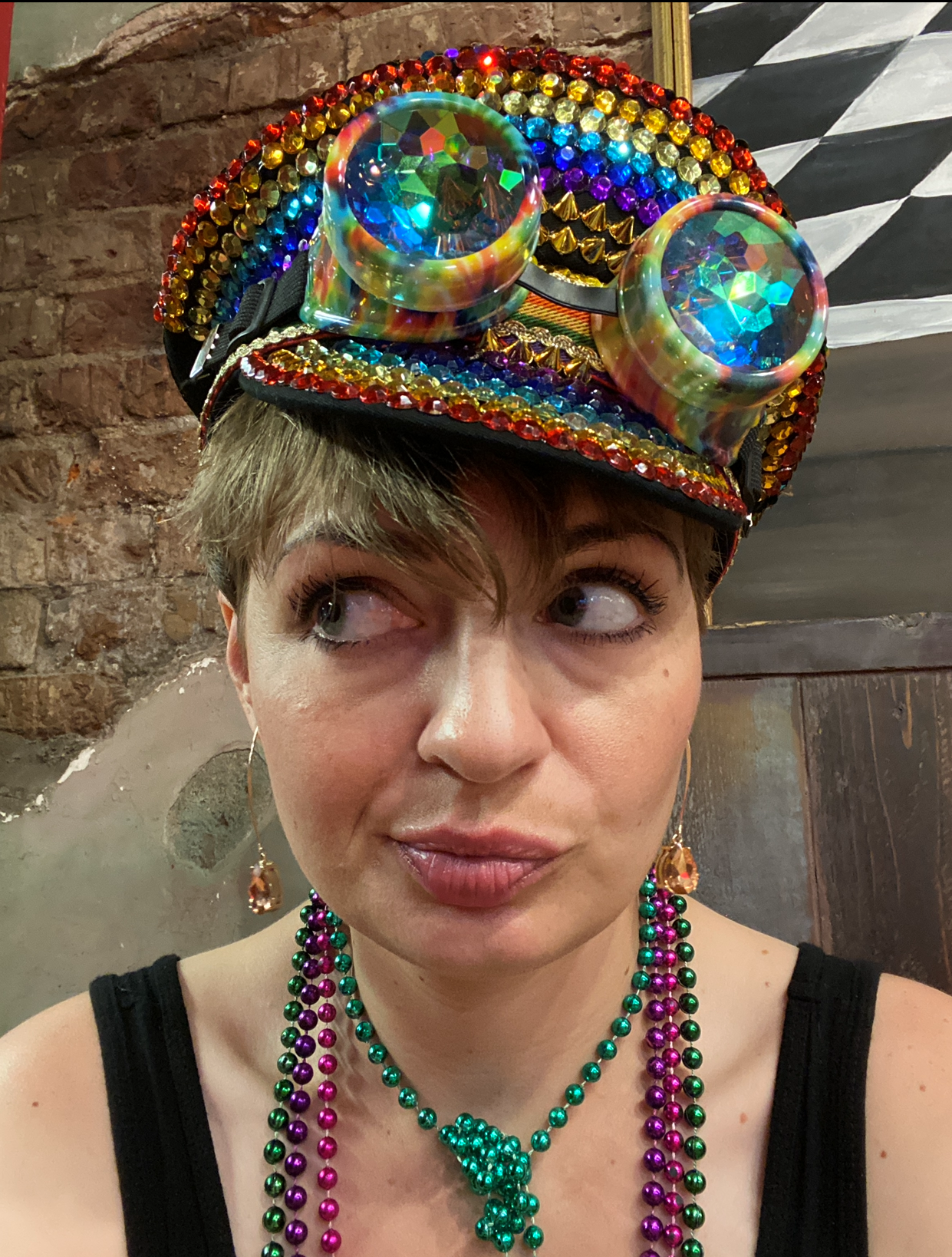
Sara Rose waiting for chicken
Sara Rose awaiting Chicken

Why do this? Why is this moment important, now?

  • Because I was once scared and didn’t realize it. Scared the world would tell me I was wrong about so much I thought I knew.
  • I am hoping, it will help you realize: that I didn’t just walk out my door one day and become who you see in front of you and that isn’t your story either…it takes effort and energy to move in such a direction. But it is worth it; I will share how I did it and how you can too!

What I hope to publish here is not only my story, and how I got here, but also share tidbits of what I learn along the way to help you with your story. Tidbits on the path to financial independence, photography, web development & design, living with physical and mental health diagnoses, what it is like to travel now (post-lockdown), striking out on your own, leaving friends and family behind for a moment to find your path and more! Even more exciting are the things I am going to share with you we don’t even know about yet, as we have yet to discover them!

To help you get started, here are a few questions to ask yourself on your blogging journey and my thoughts on the matter:

  • “Why am I blogging?” If you bleed passion and creativity out of your brain faster than your fingertips can keep up, you may be here to inspire others to action more so than yourself.
  • “What am I blogging about?” ThereGoesSaraRose.com is about traveling to create art, creating art to travel. A natural painter, I find the need to research and see the world at a closer view before I can create and of my artistic passion with others. A travel blog allows me to share the moment of epiphany/inception-to-creation. I am sharing a blueprint for fellow artists, with the long-term goal of owning my own art gallery.
  • “Who shall be a fellow Adventurer? What is your demographic?” The curious, the kind, and the passionate. Everyone cannot drop what they are doing right now and begin a travel adventure, but we can support others in their journey and receive support in our own growth. From someone who took thirty-four years to see more than the West Coast of the USA, I can only encourage you to work up to the moment you DO decide to travel and share what you can until then. You travel when you are ready, I will be here with you until and after then!
  • “If you blog successfully throughout the next year, what would you hope to have accomplished?” I had to share this question as is, as it was asked of ME so that I can share it with you…as much as I have hopes and expectations for what this blog and travel life can mean to me and others…at this point…I literally just hope to blog successfully throughout the next year…how about that for easy goals? For instance, it can take me all afternoon to, i.e. figure out how to share my Amazon journal on my website and a case-in-point for why this blog wasn’t shared when I wanted to yesterday! But we shall be appreciative of each accomplishment. On a personal note, I would love to know that I am taking care of myself as much as I am taking care of others in a self-sufficient way. Adventurers, hold me to that comment, will you?

You and I are not locked into anything, we are specifically here to grow and change together. I am going to try, and I am not going to give up; there is so much more I could promise myself, but one blog post at a time, am I right? Peter Dinklage, an actor from a favorite TV show of mine (but a person who has been through more obvious struggles than the average one of us), made this comment in his speech to a graduating class, “I waited a long time out in the world before I gave myself permission to fail. Please don’t even bother asking. Don’t bother telling the world you are ready. Show it. Do it.” (Dinklage, 2012) I am ready for this, are you?

Until next time….I am off to hang out with all of YOU in a Twitch stream! Apologies as this post was supposed to go out yesterday, here is to making mistakes and enjoying each learning lesson. Let that sink in.

See you in a few friends!

-Sara Rose

← Back

Thank you for your response. ✨

Please rate our website(required)

How to Start a Travel Blog – a Rewarding Pastime or Future Profession?

Why should YOU start a travel blog? Get all the details HERE!

TRAVEL. ART. FOOD. ThereGoesSaraRose.com

Take off for a dream destination. Tour a museum or hike a scenic trail. Take lots of pics and notes. Relax on a hotel-quality mattress or cuddle into a down bag as insects serenade outside. Do these moments sound inviting? Perhaps you should start a travel blog! If you are just starting out on your writing journey, practice by grabbing a journal and letting it flow until you are ready to share your words with the world. As a thank you for reaching 500 views, then 600 views only a week later, I want to give back to the community of Adventurers with this special & informational post. YOU ARE APPRECIATED! Join the community & subscribe to this blog or just be the FIRST to read upcoming stories such as “16 States in 16 Days”, coming soon! Until then, let’s learn how to start a blog of your very own!

Listen to a podcast of this travel article here: https://anchor.fm/theregoessararose/episodes/Ep-7-How-to-Start-a-Travel-Blog-a-Reward-Pastime-or-Future-Profession-e156ukq

Why start a travel blog?

The tide of travel blogging is rising and for good reason. Affiliate marketing . . .  Google AdWords and external sponsorship make travel blogging a promising way to fund trips and, for some, even create a fun, new means of making a living.  Many are tired of being inside but don’t know where to start or where to go, another great reason to share your adventures.

Do you dream of traveling on a regular basis and sharing your experiences? Maybe even making a bit of income? Me, too. So I decided to take the leap and you, too, can learn how to launch your own travel blog.

I’ll get you started. After that, the sky’s the limit. Create a plan, a theme and release your unique website. Begin exploring the globe as a virtual tour guide. The experience of being an entertainer/educator is highly rewarding and the student taking flight is AMAZING, so share your story in the comments below!

Monetize your site, if you could use some extra cash. Recommend products and services, and schedule helpful ads to assist readers. Travel blogs can earn a bit of profit to help support expenses. Blogs can lead to books and seminars if you’re ambitious. Maybe even a TV show like those hosted by travel celebs like  Samantha Brown or Rick Steves. Travelers are dreamers and dreams can come true with careful planning and persistence.

So if you’re like me and want to leave the daily grind behind for a new lifestyle more suitable to your wandering spirit, why not go for it. 

My history – could yours be similar? 

I worked for 10 years for the government as an analyst and hated being inside when the world outside was passing me by. I decided to switch careers and studied for two years to earn my Bachelor of Science in Multimedia Development & Design. I returned to school but graduated in 2020 when options were limited and the world was in crisis. We each have our struggle to get to where we want to be, I don’t want to give the impression the path here was an easy transition. I knew I needed a change, I was just afraid. Could it be that you are, too? More on the day I quit and what happened afterward, check out my video on how I became a streamer, and let’s get back to travel blogging!

Planning the spirit of your travel blog

Planning ahead is the key to a seamless journey. Planning is also the key to longevity when it comes to blogging. Yet it only takes a few minutes to get started once you know where you are going. What types of trips will you take? What’s different about the way you travel? What’s a title that will get you noticed? These are some questions to ask yourself when planning your blog. There are a few key details that really help when traveling on a road trip, as well as a few inexpensive ways to save LOTS of money in the long run…but that is for another post on another day! Here is at least how to get you started travel blogging.

Here are the simple steps to starting a travel blog that will take you places:

It’s super easy to start a blog on WordPress though there are other options also.

  • Register the title. This will also be your URL. Your blog’s title shouldn’t be too long, but it must be memorable. People should be able to tell what your blog is about from the title.
  • Select a theme. Choose a style that fits your topic. Personalize the home page with text and photos.
  • Prepare an opening post, featuring an attention-grabbing illustration. Keep search engine optimization (SEO) in mind, when composing both the text and title. Use keywords in your title and several times in the text. It’s not rocket science, but this will help people interested in the topic find you.
  • Click Publish.

WordPress offers free sites, but upgrading provides perks that will be useful down the road if you are serious about success. You may want to upgrade your domain name from yourblog.wordpress.com to your own domain name.  

The most important rules for success are to:

  • Blog on a regular basis: monthly, weekly, daily – whatever frequency you can maintain. The more often the faster your list of followers will grow, but frequency shouldn’t be pursued at the expense of quality.
  • Create content that’s helpful and entertaining.
  • Gain free followers by socializing and if desired, by investing in marketing. Making intelligent comments on the blogs of others with similar interests, or trading guest posts, helps both your blog and the ones you visit. Formal marketing plans are an option also.

Bonus tip: Blog well for a brand and you may earn a free trip. Business, especially in the blogging world, is all about relationships.

Travel blogging is about building trust and camaraderie

Tell your story. Be personal. Make people want to travel with you. Feature the happenings from trips that are most touching. The little things others overlook. Passion is contagious. If your love for new horizons comes through in your writing, others will want to join in your adventures. Today virtually. Perhaps in a few years as part of a tour group if that’s in your plans. Who knows where travel blogging will lead you?

Go for it! 

Now that you know the basics. It’s time to take the first step on the journey to becoming a killer travel blogger. Follow me at ThereGoesSaraRose.com for updates on my trips and for more helpful information like this.

California Academy of Sciences | San Francisco Golden Gate Park

Check out the California Academy of Sciences in San Francisco’s Golden Gate Park with EPIC photos!

TRAVEL. ART. FOOD. ThereGoesSaraRose.com

Tucked away in San Francisco’s world-renowned Golden Gate Park, the California Academy of Sciences has served as the backdrop of many of my fondest childhood memories—my family has been coming here for years—and it is certain to offer a unique California travel adventure for you, too.

The museum’s mission is to “regenerate the natural world through science, learning, and collaboration,” and I find my own interest in natural science is stoked with each revisit of it. Beyond the education in science, the Academy itself is a sight to behold. It underwent a multi-million-dollar remodel in 2008, which swapped around some of the layouts I was familiar with from childhood but ultimately yielded the environmentally friendly architectural gem that stands today. Join me as I guide you through some of my favorite highlights the institution has to offer.

Note: I visited the museum pre-lockdown, so you’ll notice many folks are mask-less in my photos. Rest assured, the institution has a thoughtful reopening plan which you can dive into here.

Listen to a podcast of this travel article here: https://anchor.fm/theregoessararose/episodes/Ep-6-California-Academy-of-Sciences–San-Francisco-Golden-Gate-Park-e156u5c

Osher Rainforest

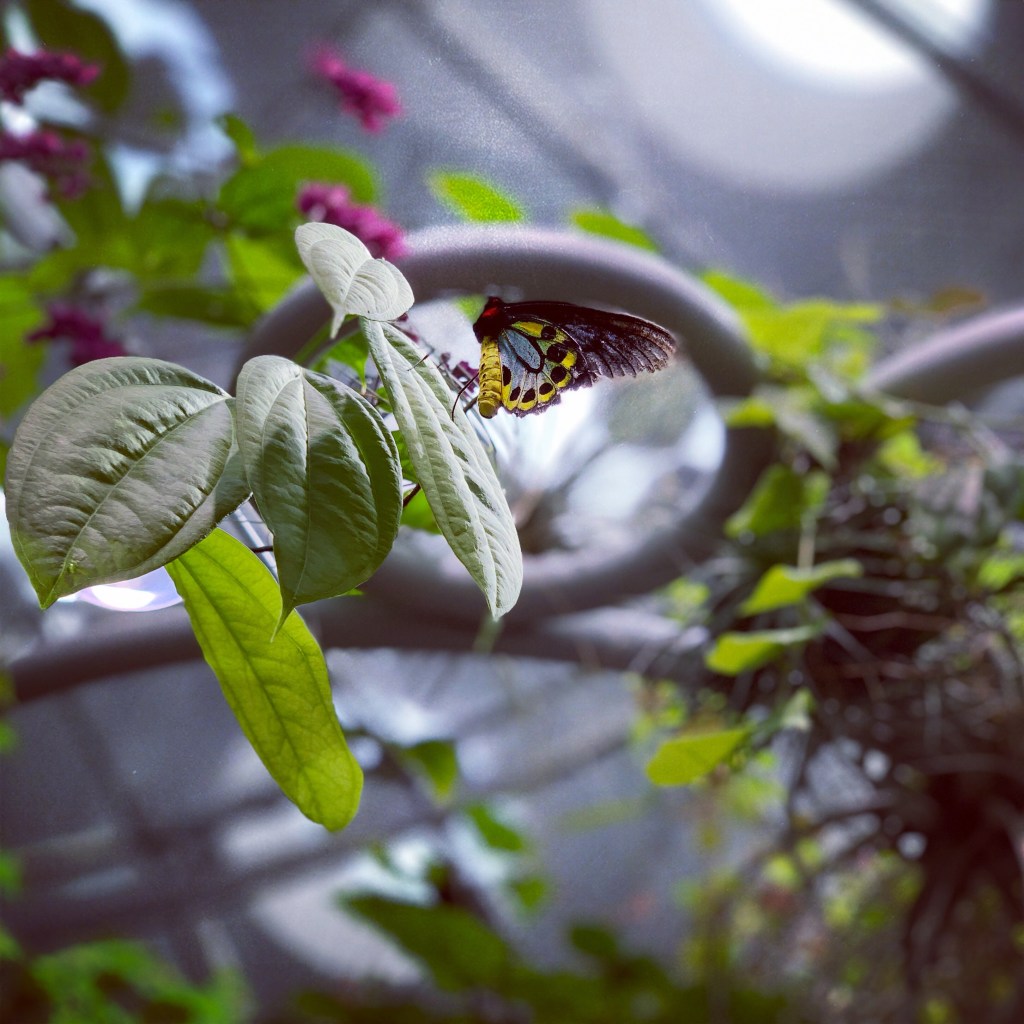
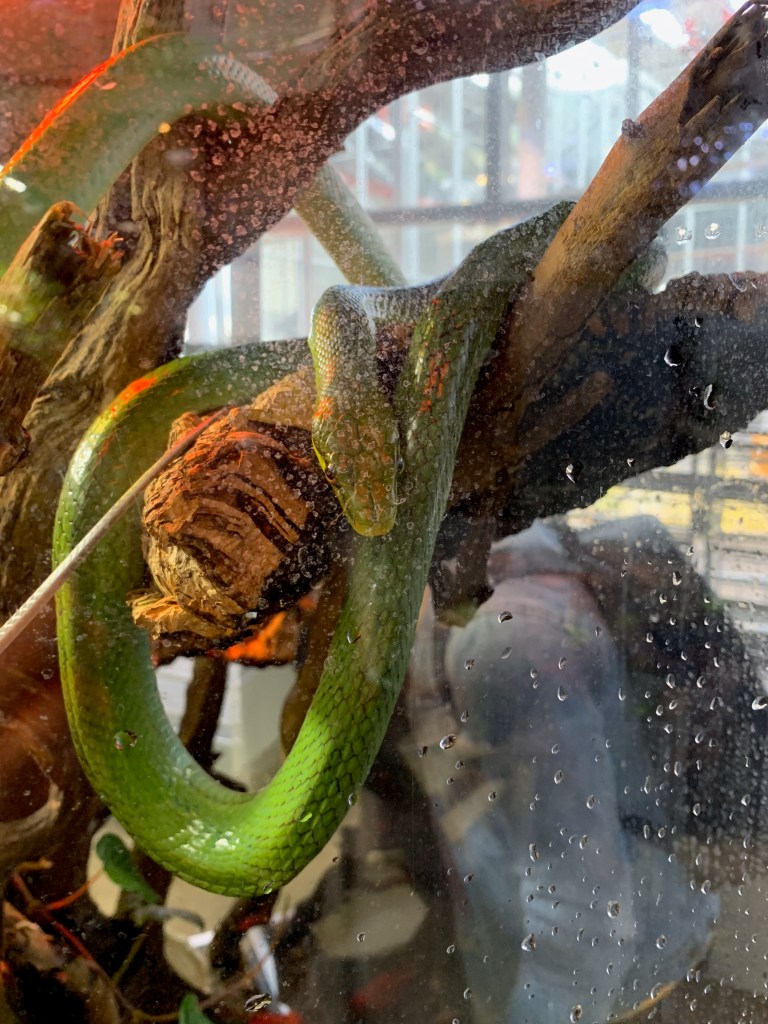
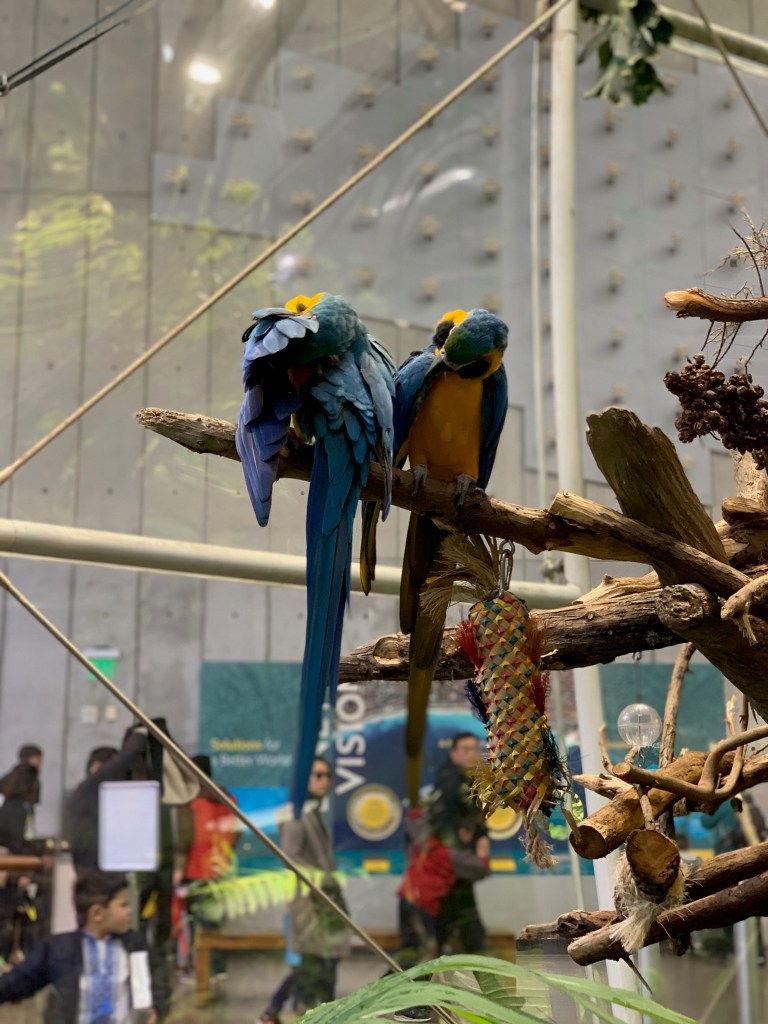
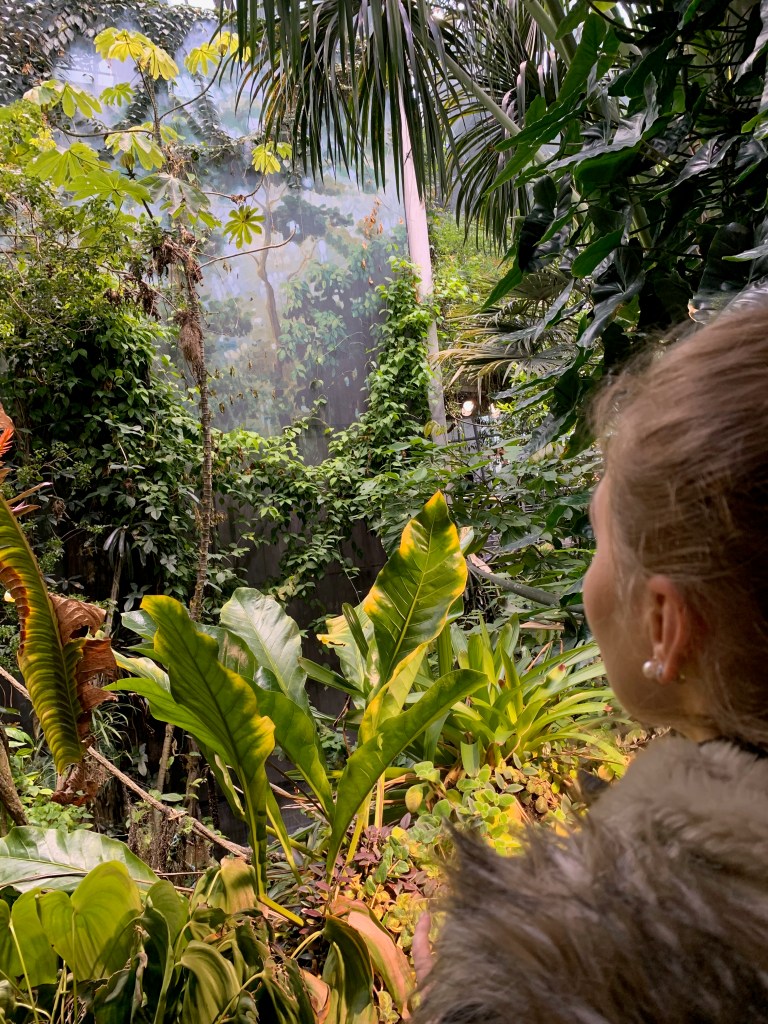
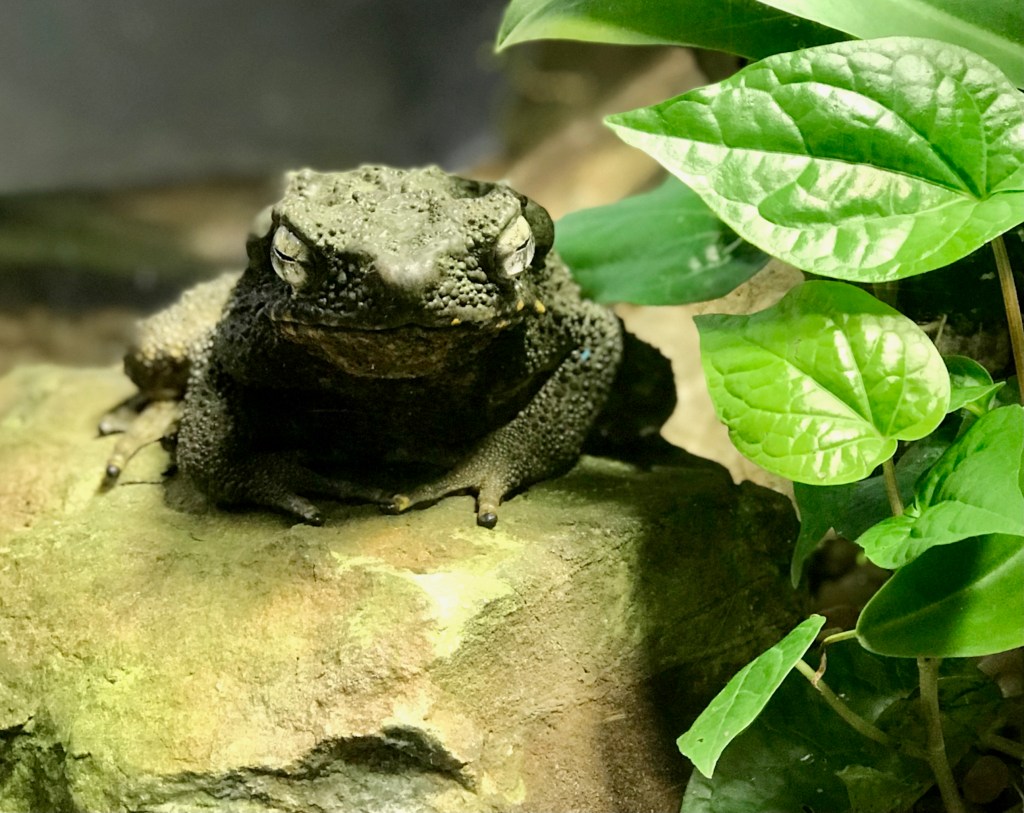
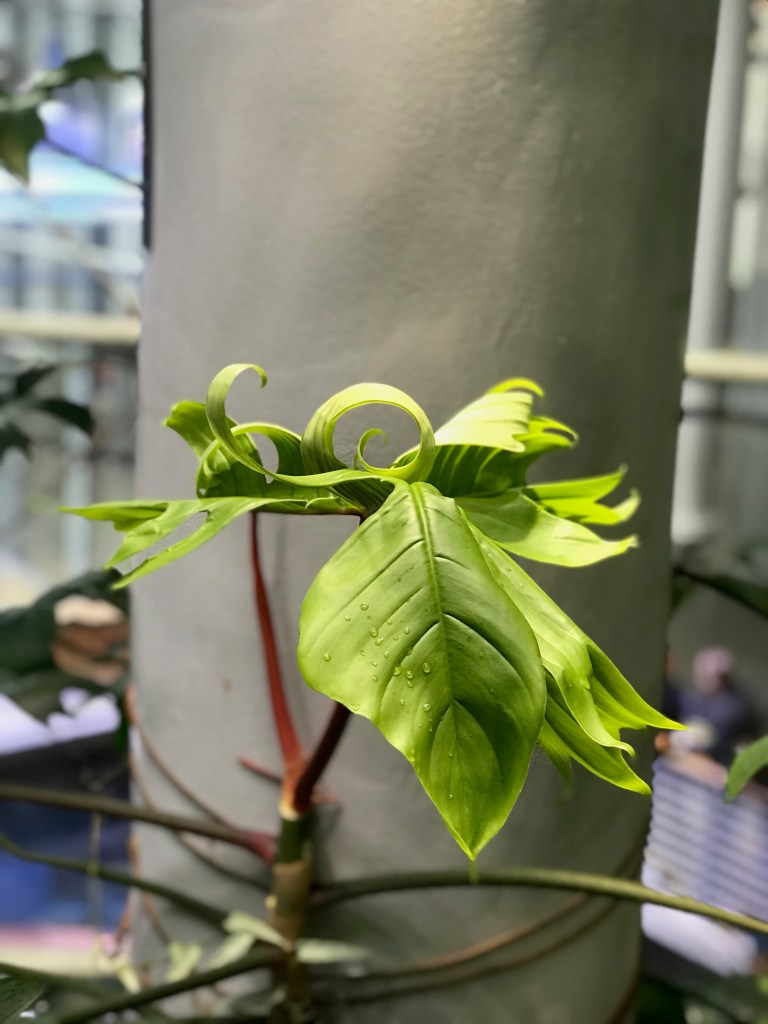
Saving the best for first! One of my all-time favorite spots at the Academy is the Osher Rainforest. The rainforest is housed inside the museum. You read that right­—a rainforest inside a building! And experiencing it is as amazing as it sounds.

The rainforest is four stories high and encapsulated in a giant glass sphere. Inside, you can get up close and personal with the flora and fauna of the Amazonian forest. You’ll want to plan ahead, as this permanent exhibition is available to partake in by reservation only (which you can make in the Academy’s lobby by scanning a QR code to select a time to visit), and trust me, it is not to be missed. Check out a video of the dome and inside view of the Rainforest, here!

Steinhart Aquarium & Claude the Alligator

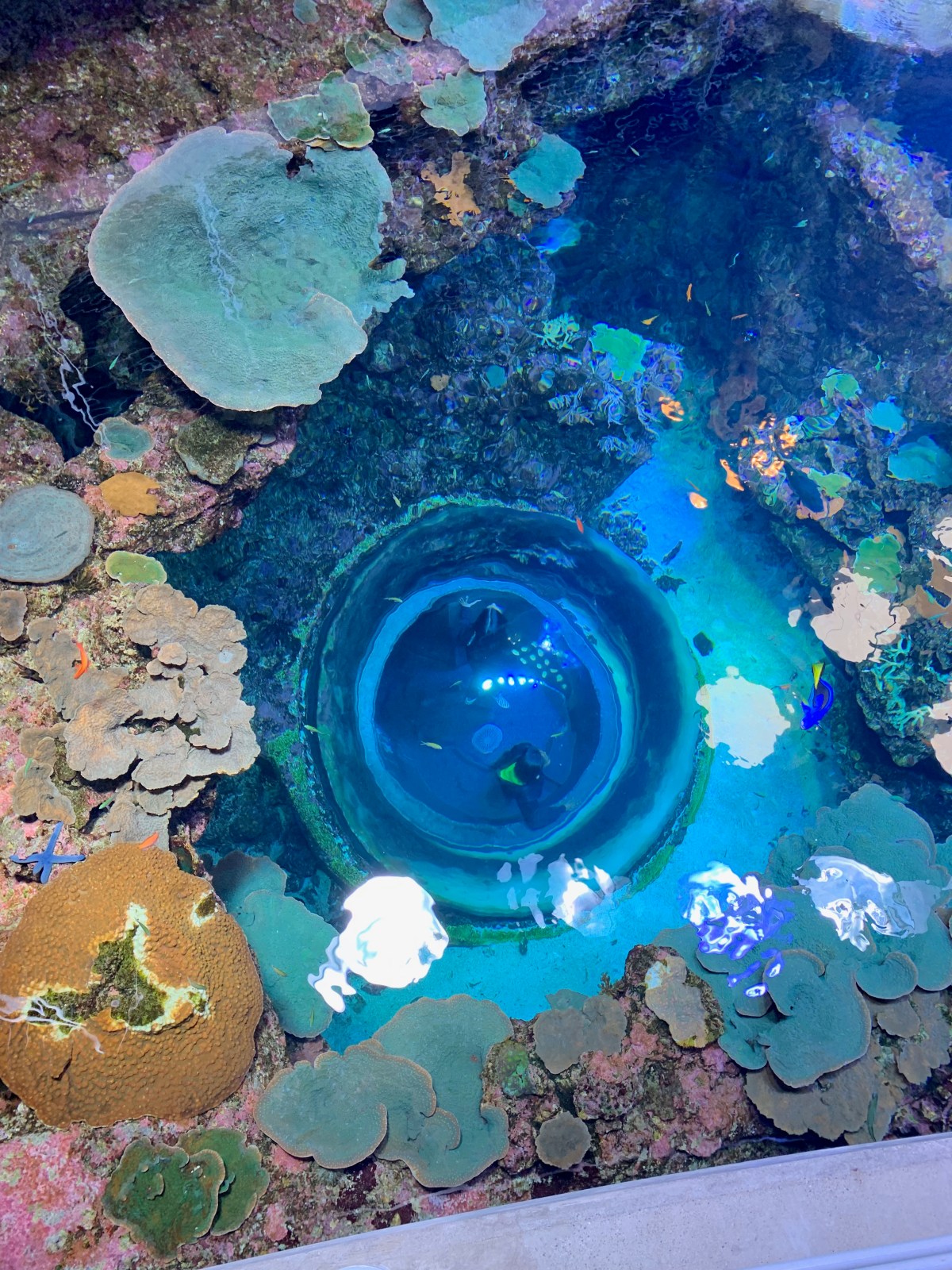
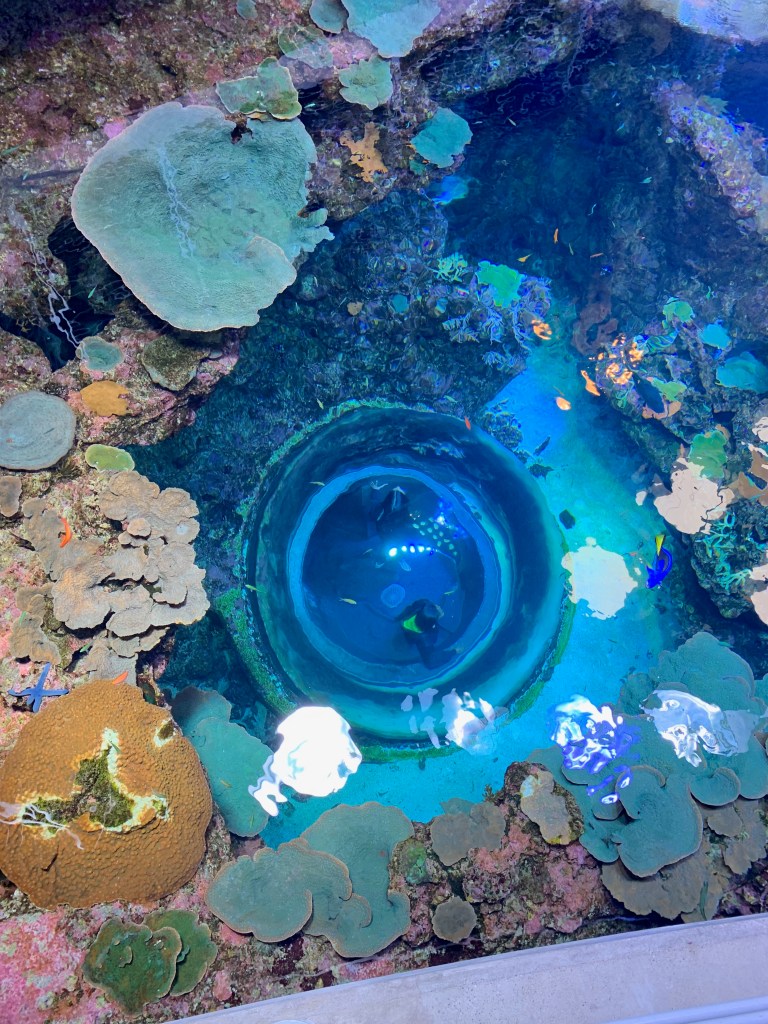
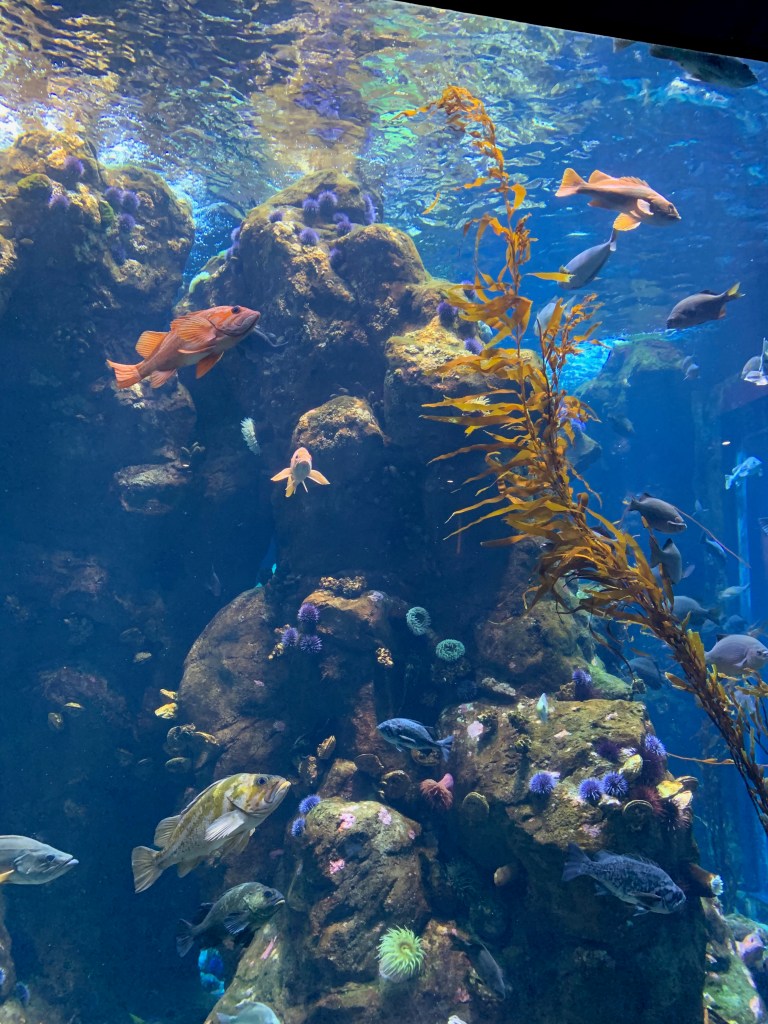
Next up is the Steinhart Aquarium­­, where you can see 40,000 live animals and be immersed in their striking underwater habitats. I’ve always loved aquariums and have visited my fair share, and the Steinhart is one of the most spectacular.

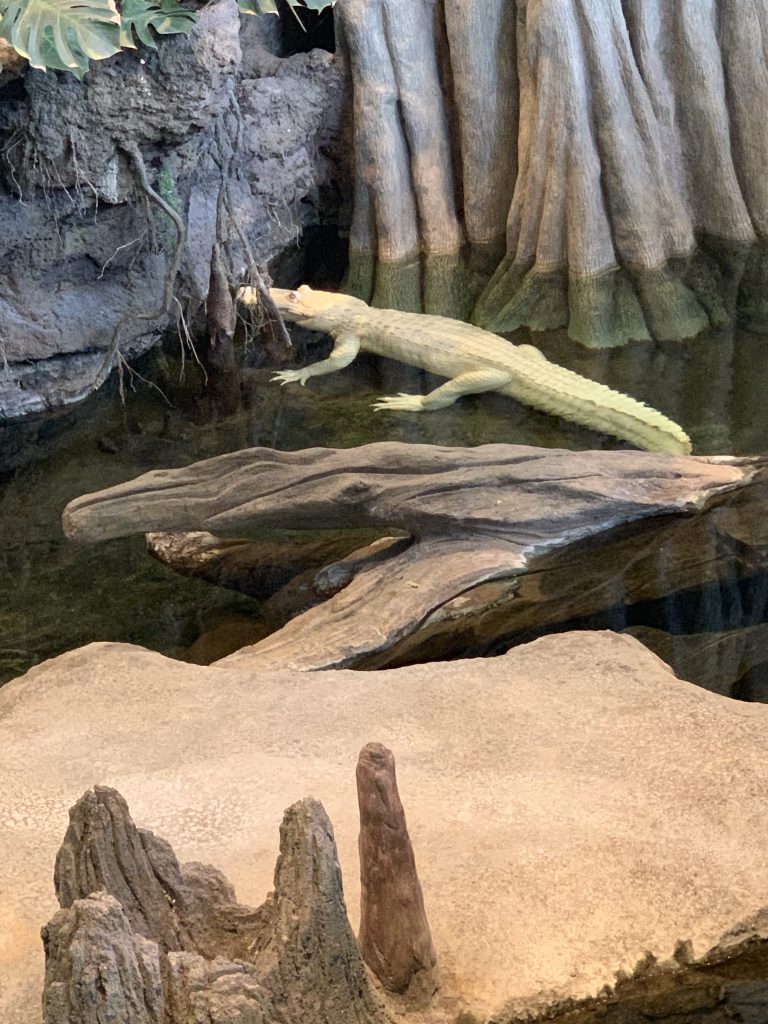
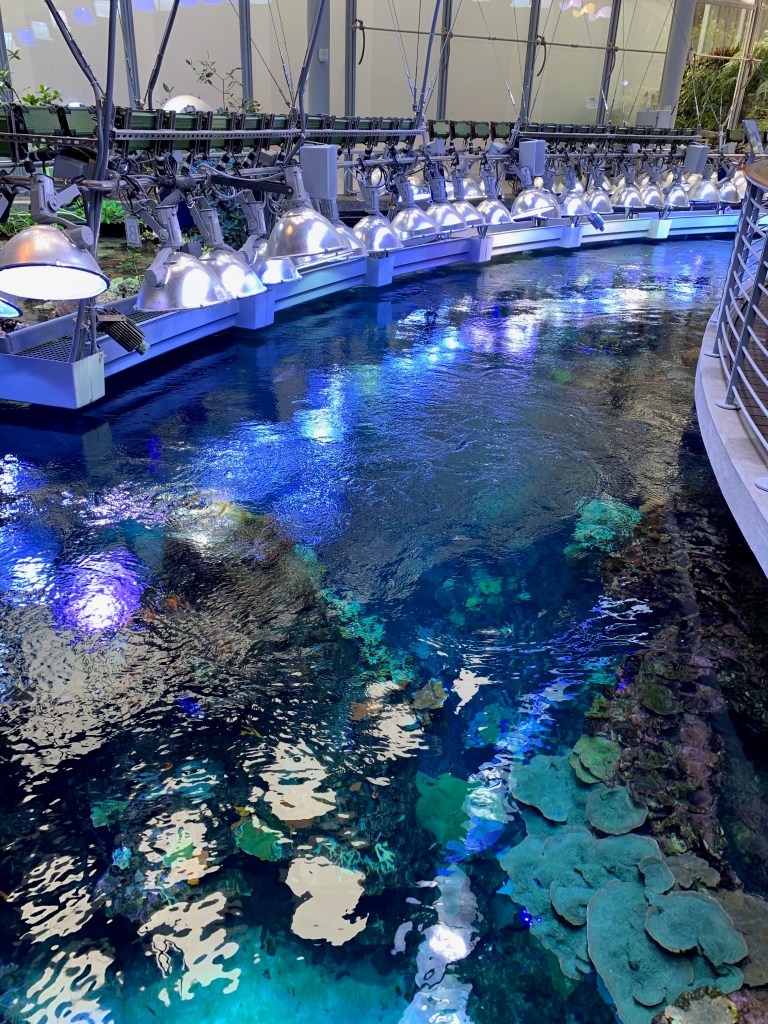
No visit to the Academy is complete without a tip of the hat to my buddy Claude, the American alligator with albinism who appears snowy white. You can find Claude in the part of the aquarium that showcases the ecosystems of the Southeastern United States called “the Swamp.” Also available for your viewing pleasure are exhibits on tide pools, coral reefs, lagoons, and much more.

Kimball Natural History Museum

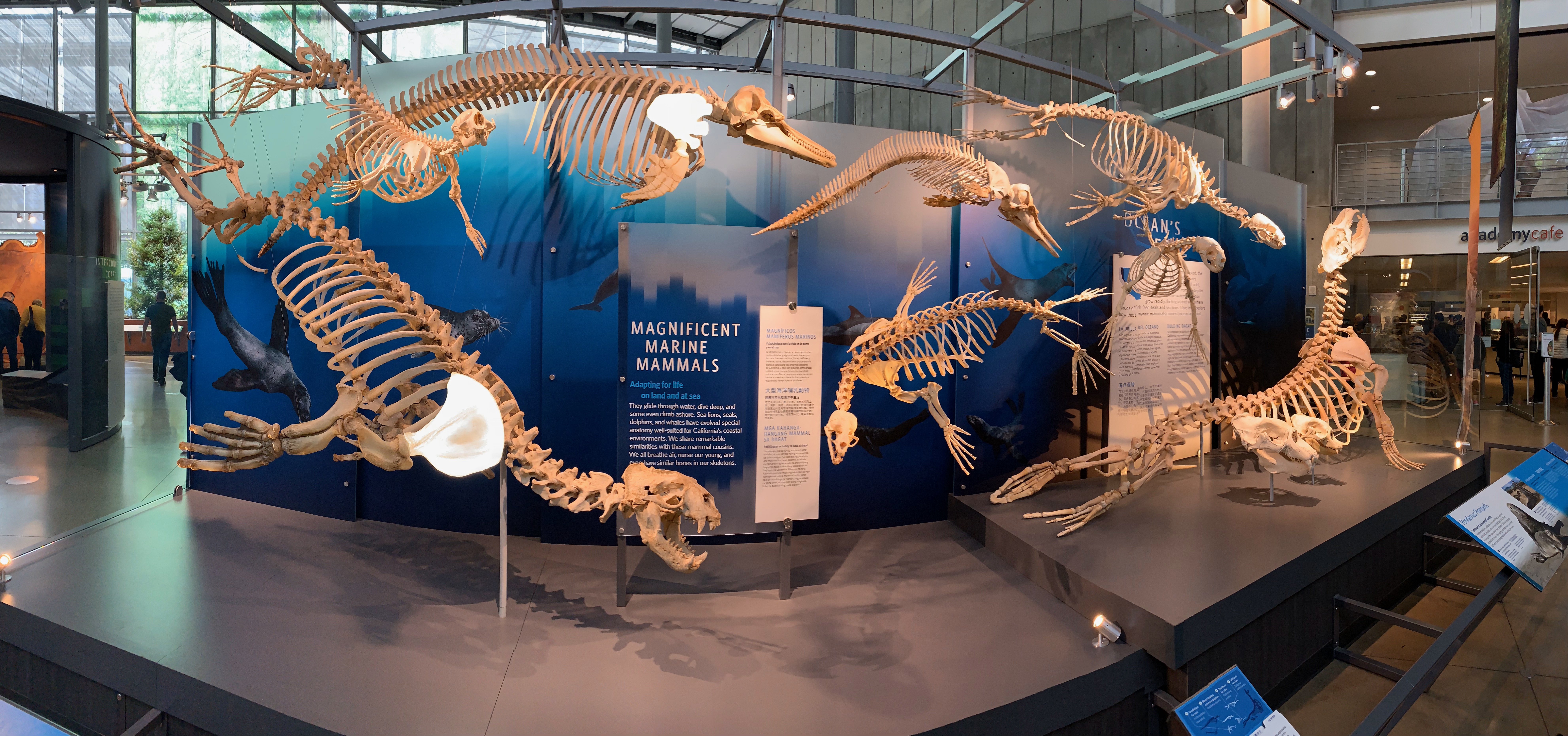
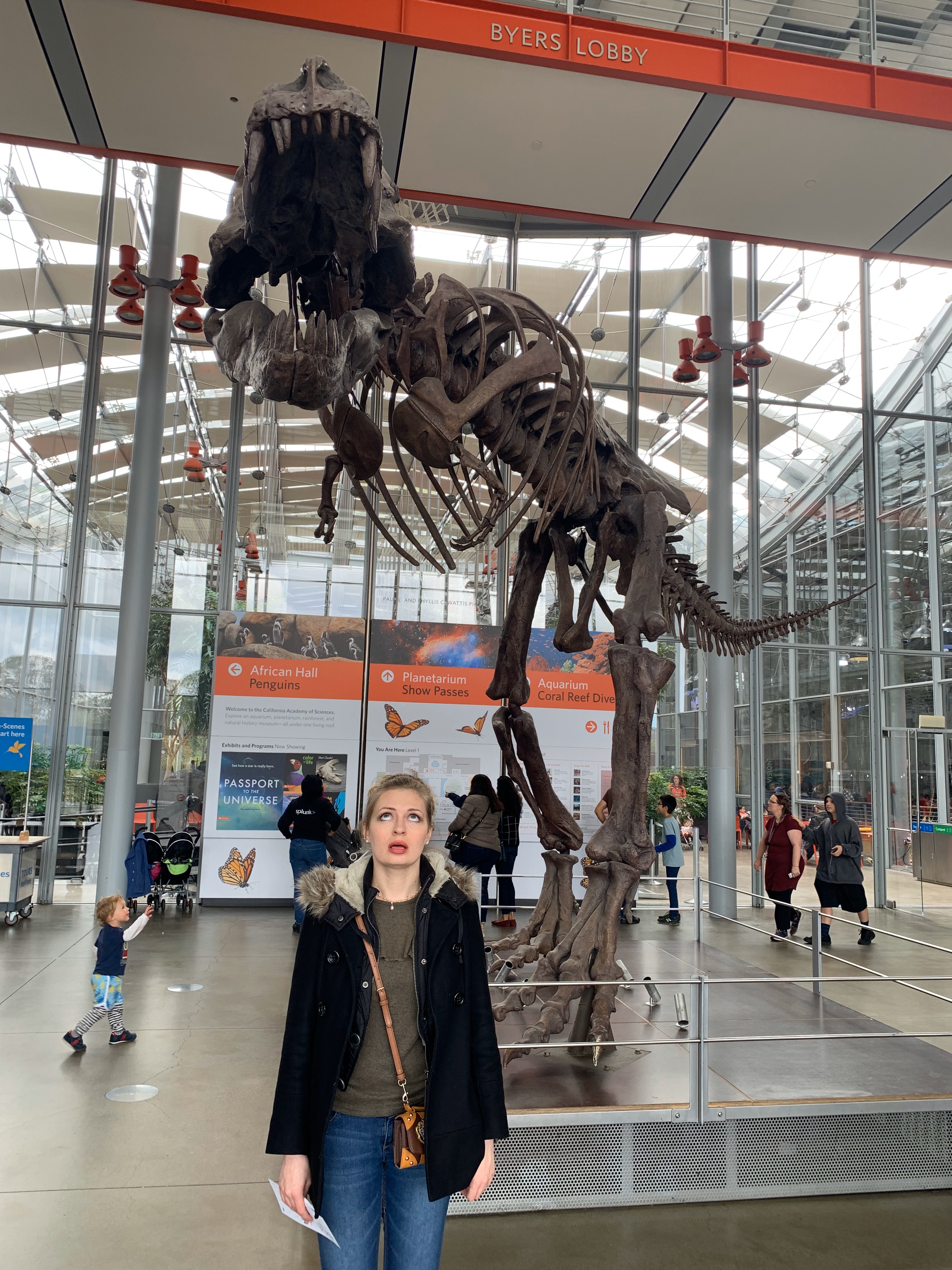
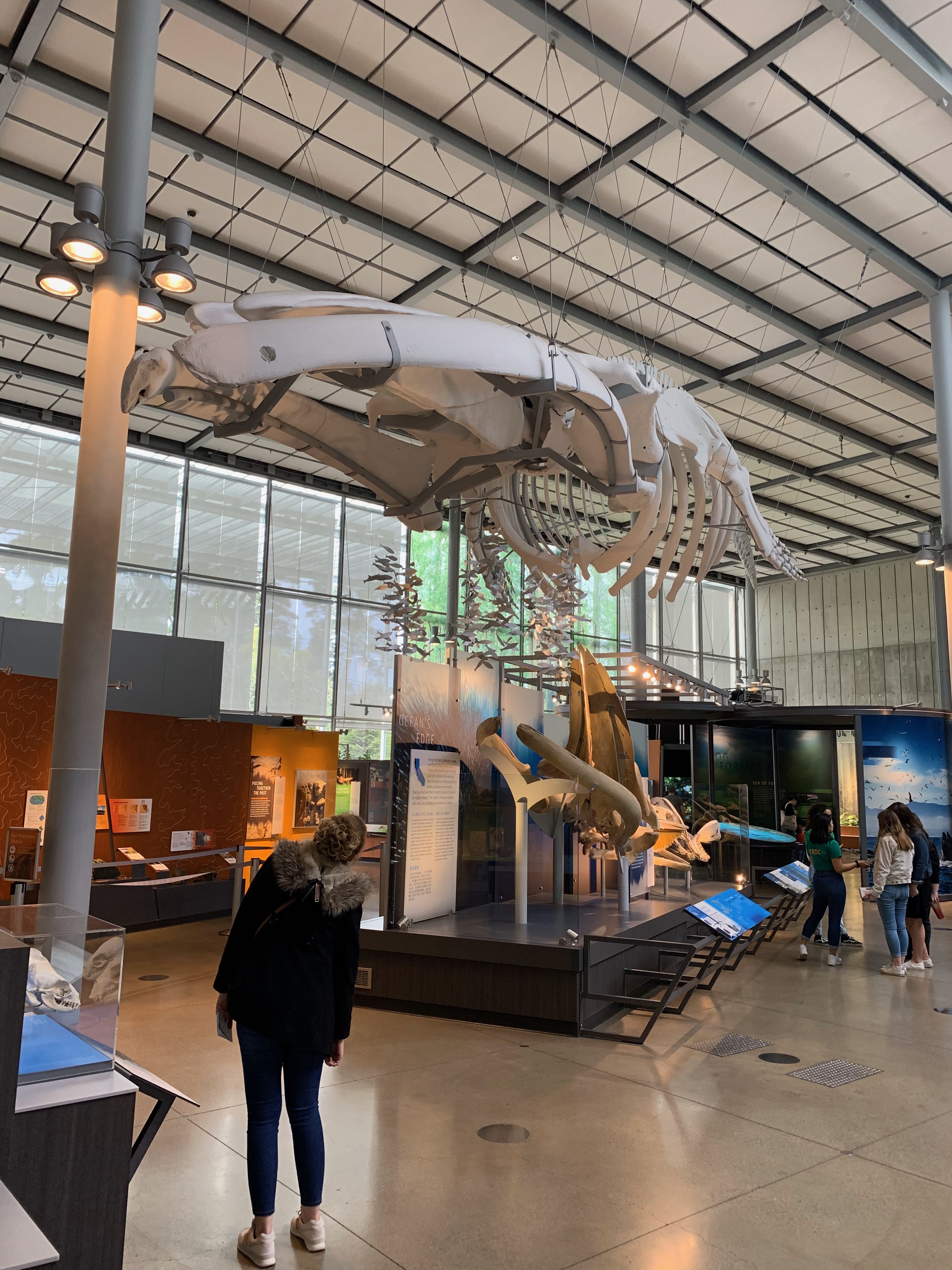
And don’t miss the Kimball Natural History Museum, which showcases one-of-a-kind specimens from the Academy’s expansive scientific collections. I was fascinated by the Academy’s dazzling gem and mineral collection, and I also loved learning about the role of color in the natural world. From tiny insects to enormous dinosaur bones, the Natural History Museum has a little something for every adventurer to enjoy.

Living Roof

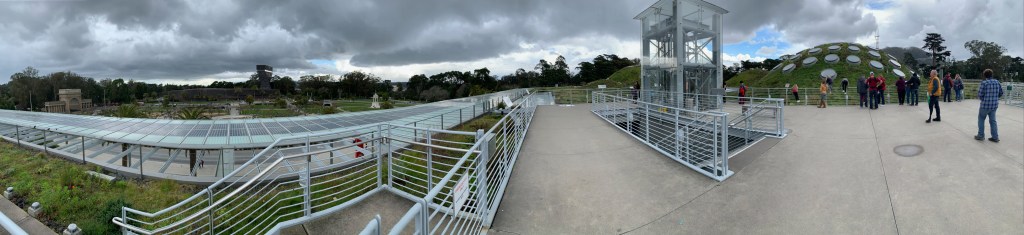
Capping off my visit to the Academy is a trip up to the 2.5-acre living roof. Up here, temperature, wind, and rain are monitored, and the entire structure is edged with solar panels. The roof contributes to the sustainability of the building by providing insulation and capturing excess rainwater. More than just functional, the roof is a beautiful escape from the hustle and bustle of the Academy’s interior and provides a unique chance to reflect on California’s environment while peering down at Golden Gate Park below.

Looking for a California adventure of your own? Get your tickets to the California Academy of Sciences here and be sure to subscribe to my blog and follow me on social media to join me on my travels.

Top Gems: Hiking Trails in California

TRAVEL. ART. FOOD. ThereGoesSaraRose.com

Although many of us have picked up new hobbies such as bread making or sewing while at home, it can be a good change of pace to get outdoors. If you’re looking for a safe way to get some sunshine, a hike through one of California’s many parks is a great option.

As lockdown restrictions begin to lift, prepare your hiking boots for some epic adventures. Central California offers an array of hiking spots, but most require a little planning before you hit the trails. 

If you’re stuck for places to try, here are just a few of my favorite California trails.

Listen to a podcast of the travel article here: https://anchor.fm/theregoessararose/episodes/Ep–4-Top-Gems–Hiking-Trails-in-California-e156fl8

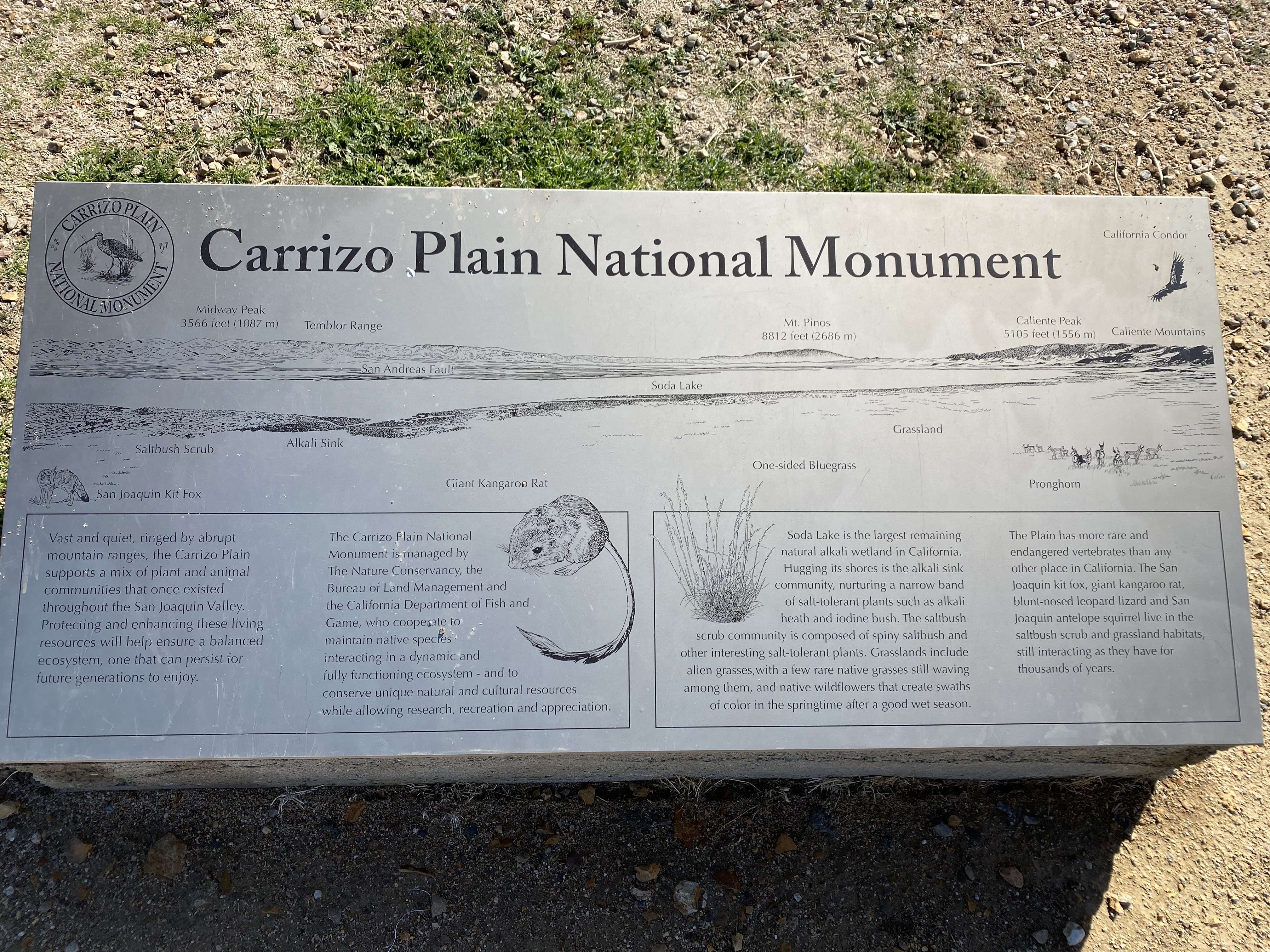
Carrizo Plain National Monument

This park is one of California’s hidden gems. Located near California Valley, just a few hours from Los Angeles, the plains offers a unique variety of nature. 

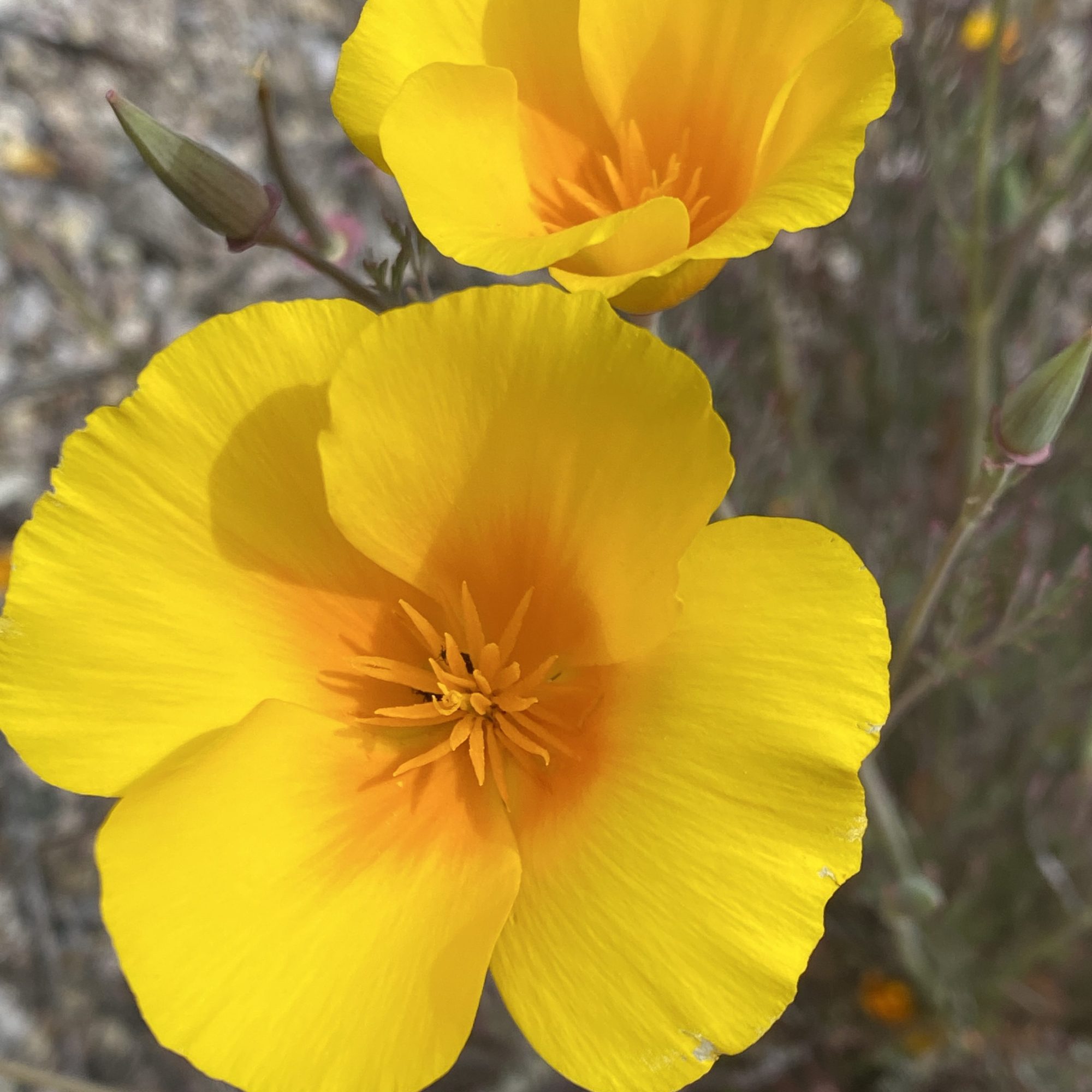
Centuries ago, the 204,000-acre park served as grassland where the deer and the antelope played — and some still live there today.  New animals such as kit foxes and antelope squirrel now call the plains home. Wildflowers cover the landscape and it is home to a diverse set of plant life, many of which are endangered.
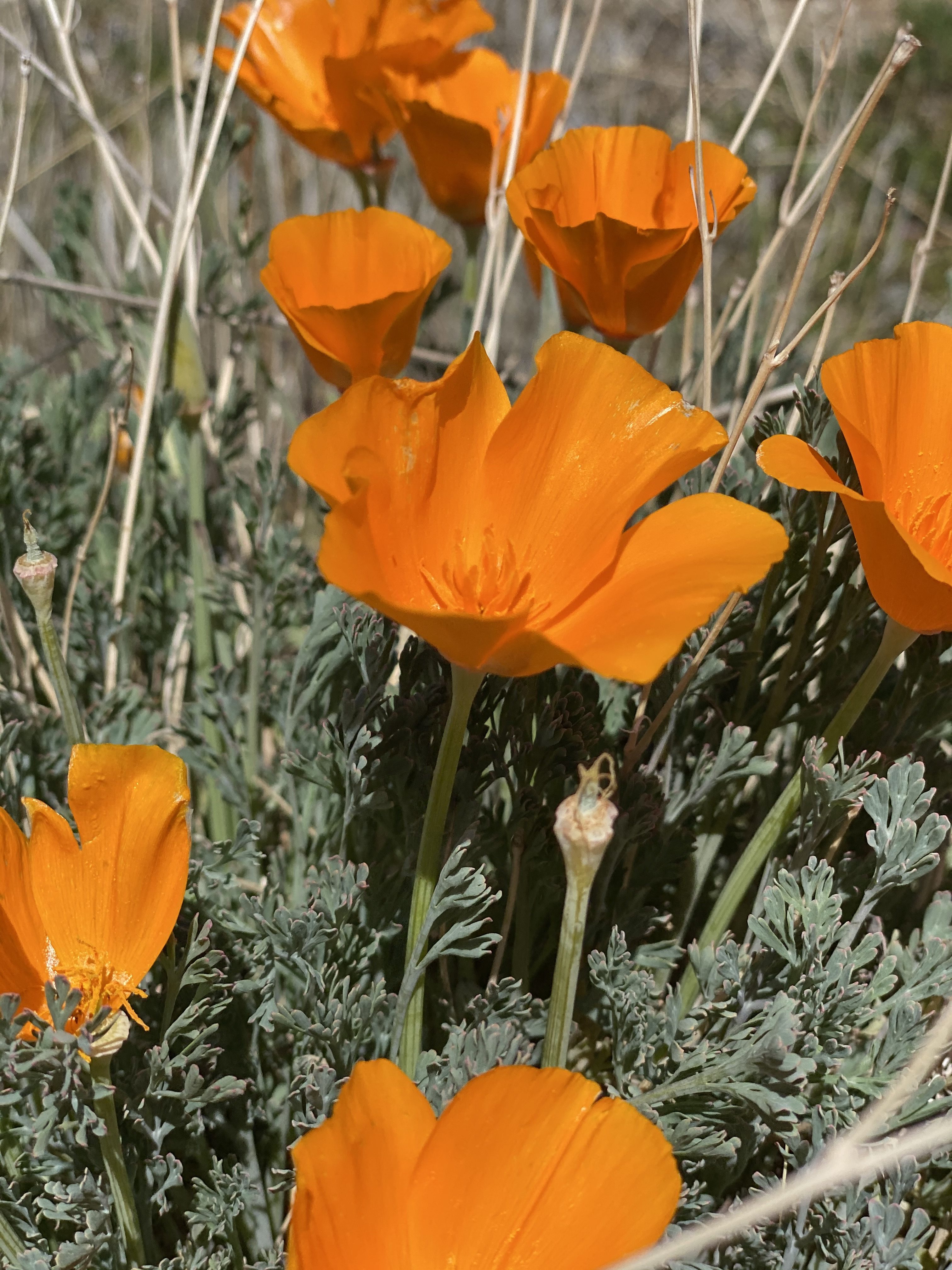
Hikers can traverse valleys, ridges and ponds along the San Andreas Fault. Some of the park’s most popular spots include grass lands, distant mountain views and Painted Rock, a rock formation with pictograph art. Guided tours to Painted Rock are available at this time, but may be limited or canceled due to nesting birds. 

However, the most popular part of the park is Soda Lake, a normally dry lake bed that concentrates salt water as it evaporates, leaving a substance that looks like baking soda.

If you want to get a sneak peek at what calming views the park has to offer, check out my 360° video of the plains here!

Yosemite National Park

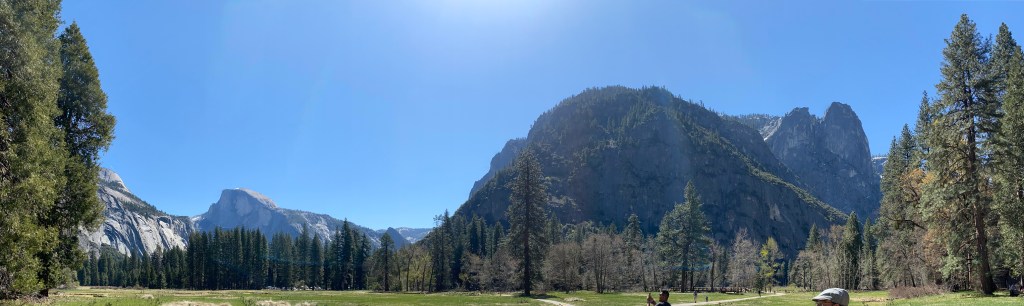
Yosemite National Park is one of California’s most well-known hiking spots, but there’s a reason for that. The park has been protected since 1964 and offers magnificent waterfalls, glaciers and breathtaking views of the High Sierras. Backpacking typical is a no-go until the snow completely melts, but trails open throughout the year as the season permits. You can check the Yosemite National Park website for up-to-date trail openings. 

If you’re looking for a beginner hike with little elevation, I recommend the Mirror Lake trail. The two-mile hike typically takes about one hour to complete. The first mile is paved and the traversed elevation only reaches about 100 feet, though the lake is more than 4,000 feet above sea level. The trail follows Tenaya Creek and crosses two bridges before offering views of Mirror Lake and Mount Watkins. The view (and the photos) are well-worth it. 

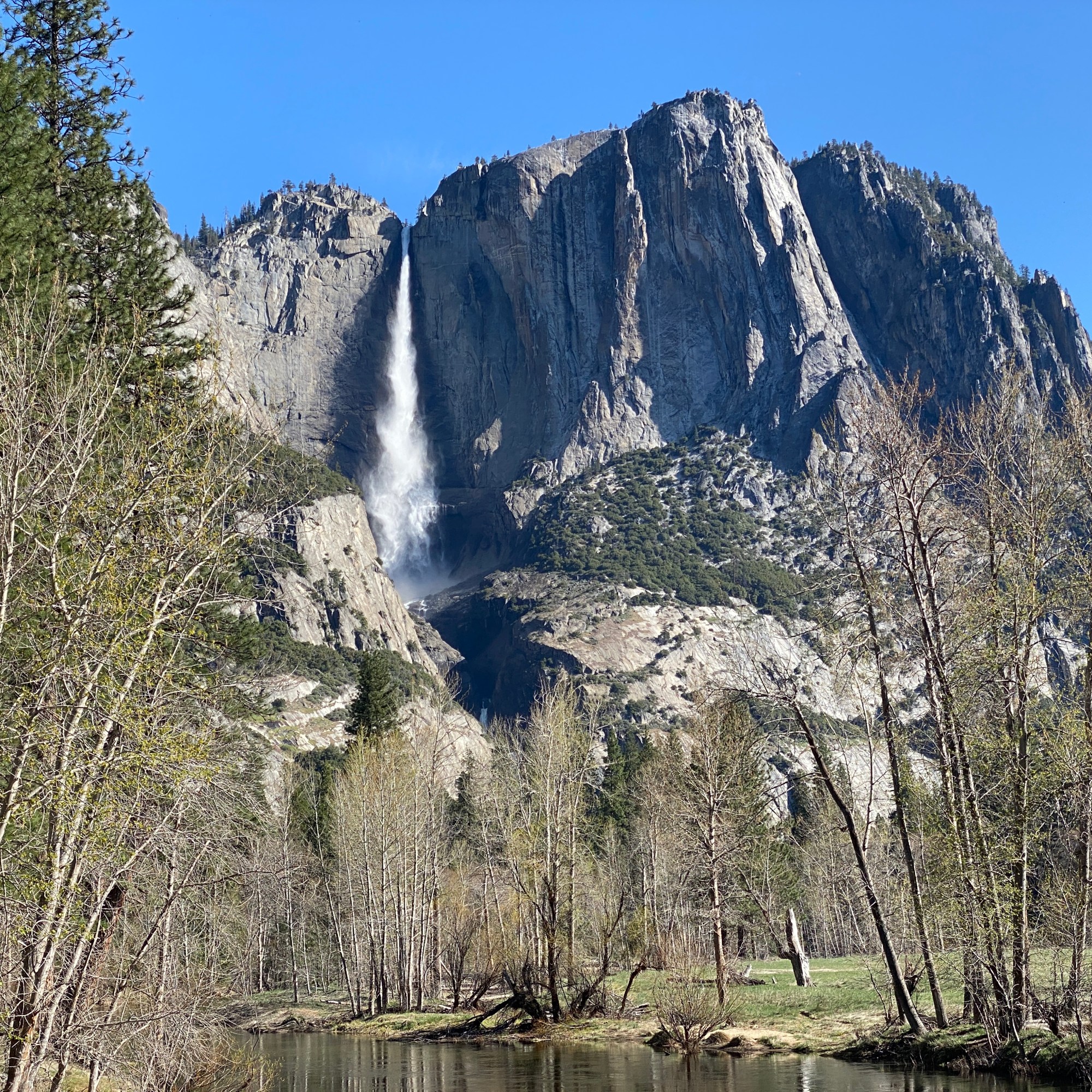
For more advanced hikers, I recommend the Half Dome Day Hike, which offers hikers views of Yosemite Valley from 5,000 feet up. To reach the summit, the hike does include a portion on metal cables, however, which also requires a permit. For a less daring hike, I recommend the Yosemite Falls Trail. A shorter two-mile, paved trail will take you to the base of the waterfall while a 7.2-mile trail takes you to the top of the falls.

Although it offers a variety of hiking trails, it is very popular in the summer. For that reason, reservations to enter the park are required starting May 21, so be sure to plan your journey accordingly. 

Before you go, check out my video from our day trip to Lower Yosemite Falls and see various views firsthand!

Some higher areas in the mountains may still be snowbound and Tioga Road is still closed. Mariposa Grove usually opens by mid-March. Glacier Point Road is also closed (and as a note, it will be closed for the entire of 2022 for rehabilitation). Generally, plan a route that won’t take you above 6,000 feet and check with the rangers to see what is or is not open.

The spring snowmelt makes the waterfalls particularly pretty, especially in the Valley. While it’s generally not clear enough for backpacking without snow camping, there are plenty of day hike options.

Trails near Oakhurst and Raymond, California

Although they don’t boast the same fame that Yosemite does, there are some incredible trails in Oakhurst and Raymond.

If you want to see waterfalls, I suggest Corlieu Falls or Angel Falls. Both trails are moderate with great views of waterfalls and places to relax and soak in the water. Both trail heads have limited parking, so it’s best to go early in the day to get a good spot.

If you’re looking to mix it up, check out Pincushion Mountain. The trail is about five miles, and it can be steep and rocky so good boots are recommended. Along the way, you’ll see mountains, a river valley, and a wide-open sky. Just remember to take it slow and take some breaks along the way.
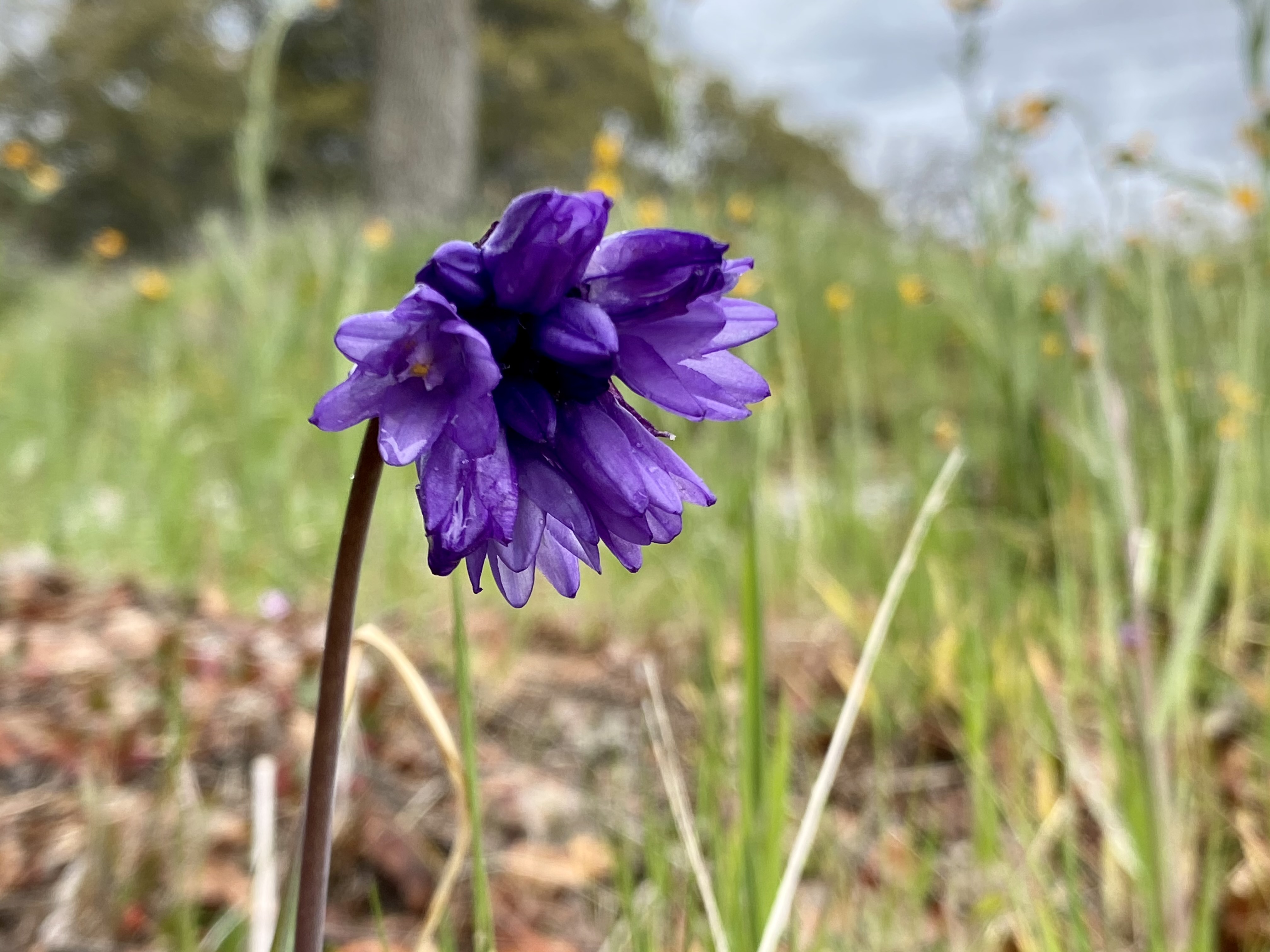
So, if you’re looking to get off the couch, try out one of these awesome California hiking trails. Be sure to bring plenty of water and check weather conditions before you go. And next time you’re planning a trek, check out for ThereGoesSaraRose.com more travel advice.

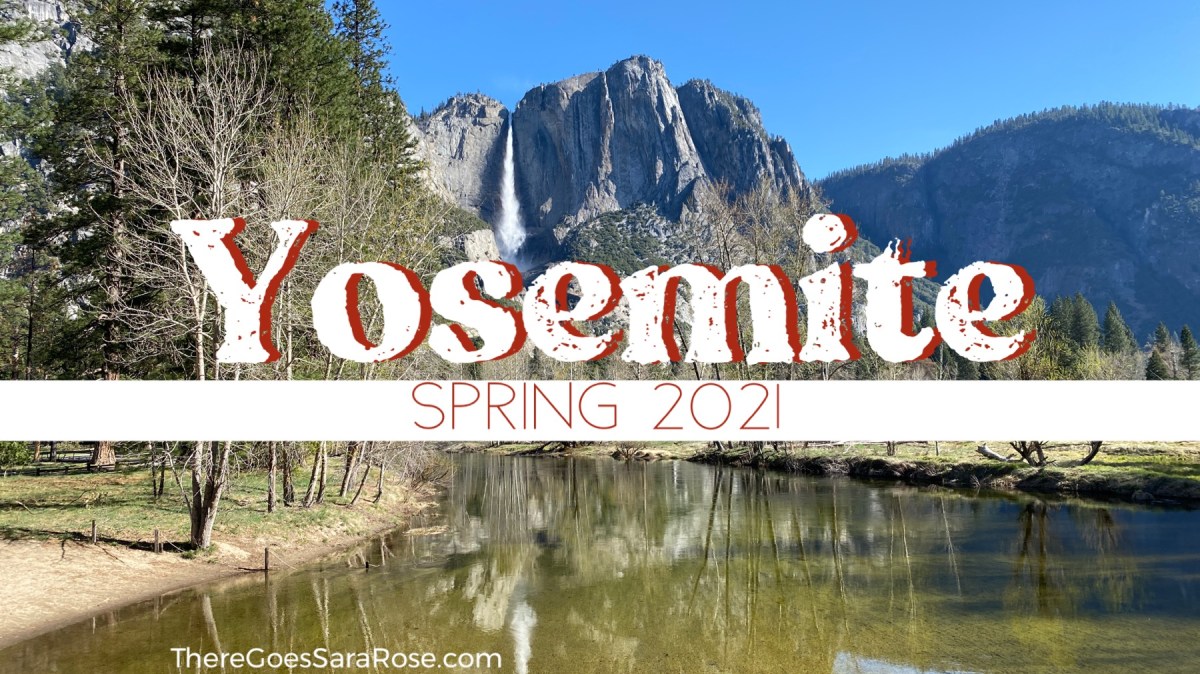
How to Prep for a Day Hike in Yosemite in Spring of 2021

Enjoy the travel photography and videos from Yosemite Spring, 2021. Join the adventure with There Goes Sara Rose!

TRAVEL. CAPTURE. CREATE. ThereGoesSaraRose.com

Are you longing to get out of the house? As COVID-19 restrictions start to wind down and more people get vaccinated, thoughts of travel are hitting all of our minds. At the same time, you’re probably looking for a safe option.

If you live near Yosemite or another mountainous region, now is the perfect time to take a day hike. You can get in some exercise, see some new stuff, and stay outside and away from others. Spring is a great time to explore the mountains before the summer fire season.

Listen to a podcast of the travel article here: https://anchor.fm/theregoessararose/episodes/Ep-3-How-to-Prep-for-a-Day-Hike-in-Yosemite-in-Spring-of-2021-e155nve

What is Yosemite Like in April and May?

Weather in the late spring is usually pleasant, but not warm. Highs in the valley tend to be in the 60s and lows in the 30s. Rain and snow are still possible, and you should dress accordingly. Fire conditions are possible but less likely than later in the summer.
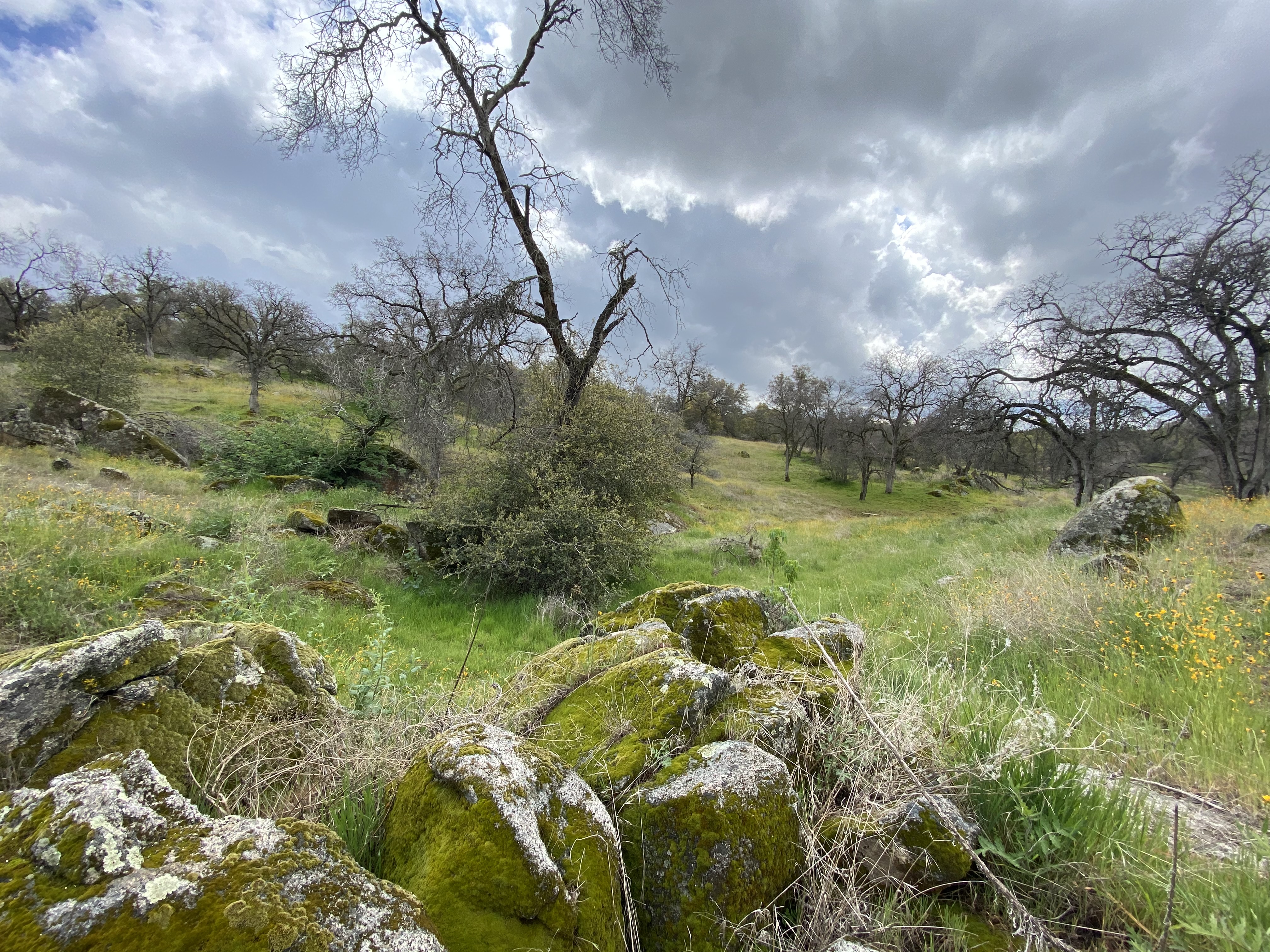
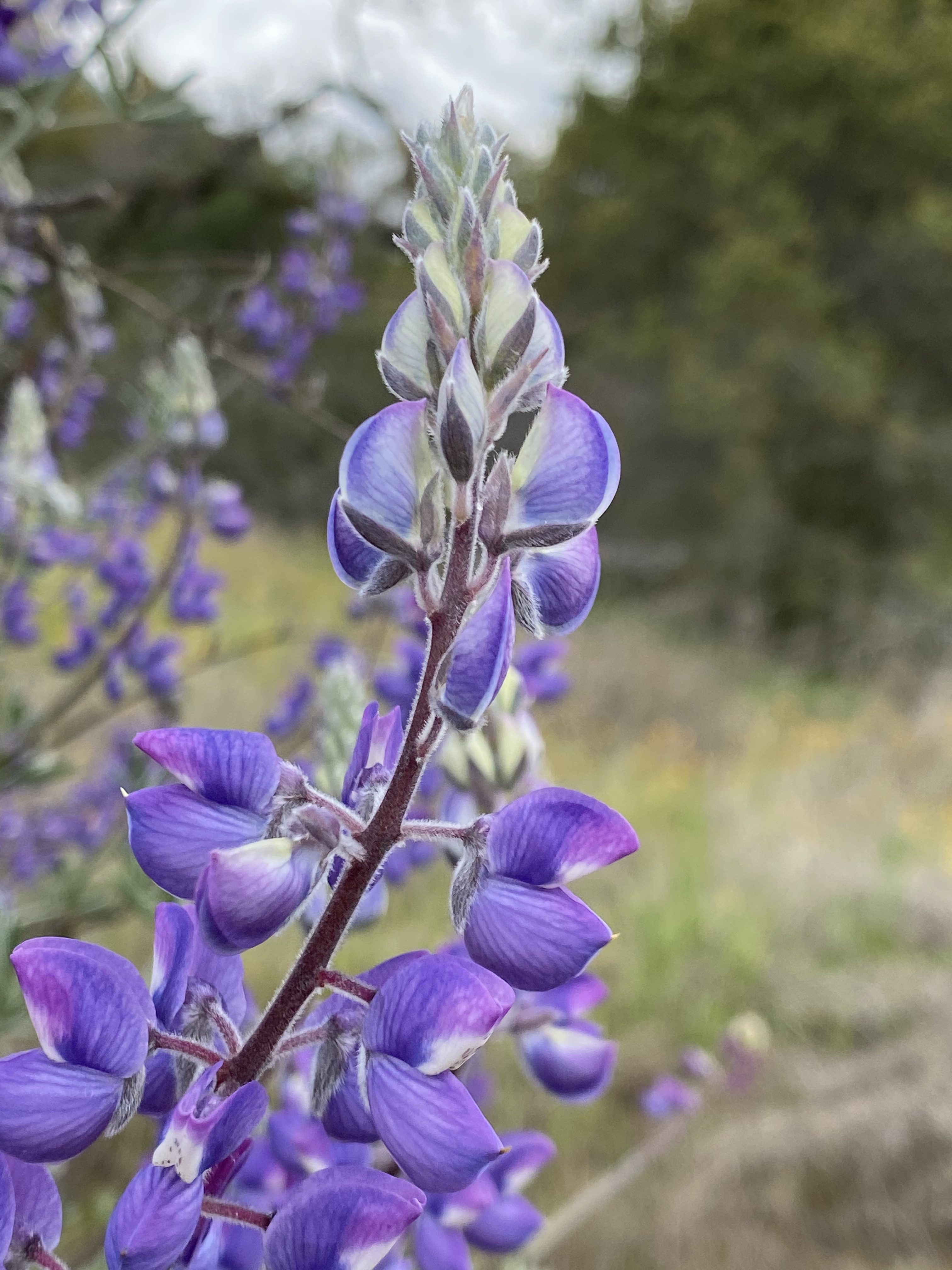
Some higher areas in the mountains may still be snowbound and Tioga Road is still closed. Mariposa Grove usually opens by mid-March. Glacier Point Road is also closed (and as a note, it will be closed for the entire of 2022 for rehabilitation). Generally, plan a route that won’t take you above 6,000 feet and check with the rangers to see what is or is not open.

The spring snow melt makes the waterfalls particularly pretty, especially in the Valley. While it’s generally not clear enough for backpacking without snow camping, there are plenty of day hike options.

Check out my video from our day trip to Lower Yosemite Falls!

What Should You Do To Prepare For Your Hike?

Preparing for a spring day hike requires some conditioning. You need to know your limits, especially if you’ve been exercising less and have put on any COVID 19-weight, as it were. Do some walks in your local area and increase the distance, and choose a route that you are comfortable with; don’t go from being sedentary to an 8 mile hike. As it’s still spring, you won’t be at altitude anyway, but you still need to be fit.

You will also need the right gear. Dress in layers; the wide temperature range in the spring may mean you will be taking stuff off, putting it on, taking it off again…so make sure you can do that comfortably. You will also need:

  1. The right footwear. This is the most important piece of gear for hiking. Given the risk of rain or snow in the spring, hiking boots are generally your best option. If you’re staying on easier trails, walking shoes or trail running shoes may work well. Think about what kind of ankle support you need.
  2. A fleece jacket or wool sweater makes a good middle layer for the temperature range you are dealing with.
  3. Rain gear including rain pants. You definitely need rain pants. Bear in mind that wet jeans are the worst thing to be stuck in.
  4. Proper socks, ideally ones designed for hiking.
  5. A backpack. If you plan on hiking all day, get a daypack. Otherwise, an ordinary backpack is fine, but do not carry it slung on one shoulder (you will walk one sided and put strain on yourself).
  6. Some kind of hat. If it’s colder, you will want a wool hat. If warmer, you might want something to keep the sun off.
  7. Insect repellent. Make sure that you have and use a DEET-based insect repellent that also repels ticks. Apply repellent to exposed skin, but also to the cuffs of your pants and your hat.
  8. Sunscreen. Even if it’s not that warm.
  9. A hikers’ first aid kit. For casual hikers, a pre-made kit is more than sufficient.
  10. Gloves. You may want them and if you don’t, they’re light.
  11. A camera & gear. Maybe you will find a good smartphone is enough, but a DSLR will still give you better pictures if you want to make the investment. I take a lot of photos on my hikes and encourage you to do the same.
  12. A flashlight, even if you plan on being back well before dark.
  13. Food and water. If you’re really high in the mountains you can get fresh water, but in the park you want to carry enough for your hike.

If you are older and/or the trail is steep, consider investing in trekking poles. Another thing to consider is downloading an app onto your phone that identifies plants, wildlife,  etc.

It’s time to get back out into the world, and a mountain day hike is a great way to do so without worrying about that pesky virus. Watch my video on how to pick hiking boots and please come back to ThereGoesSaraRose.com for more travel advice (and awesome pictures!)

A 4K Introduction to Watercolor | “Octopoda” by Sara Rose

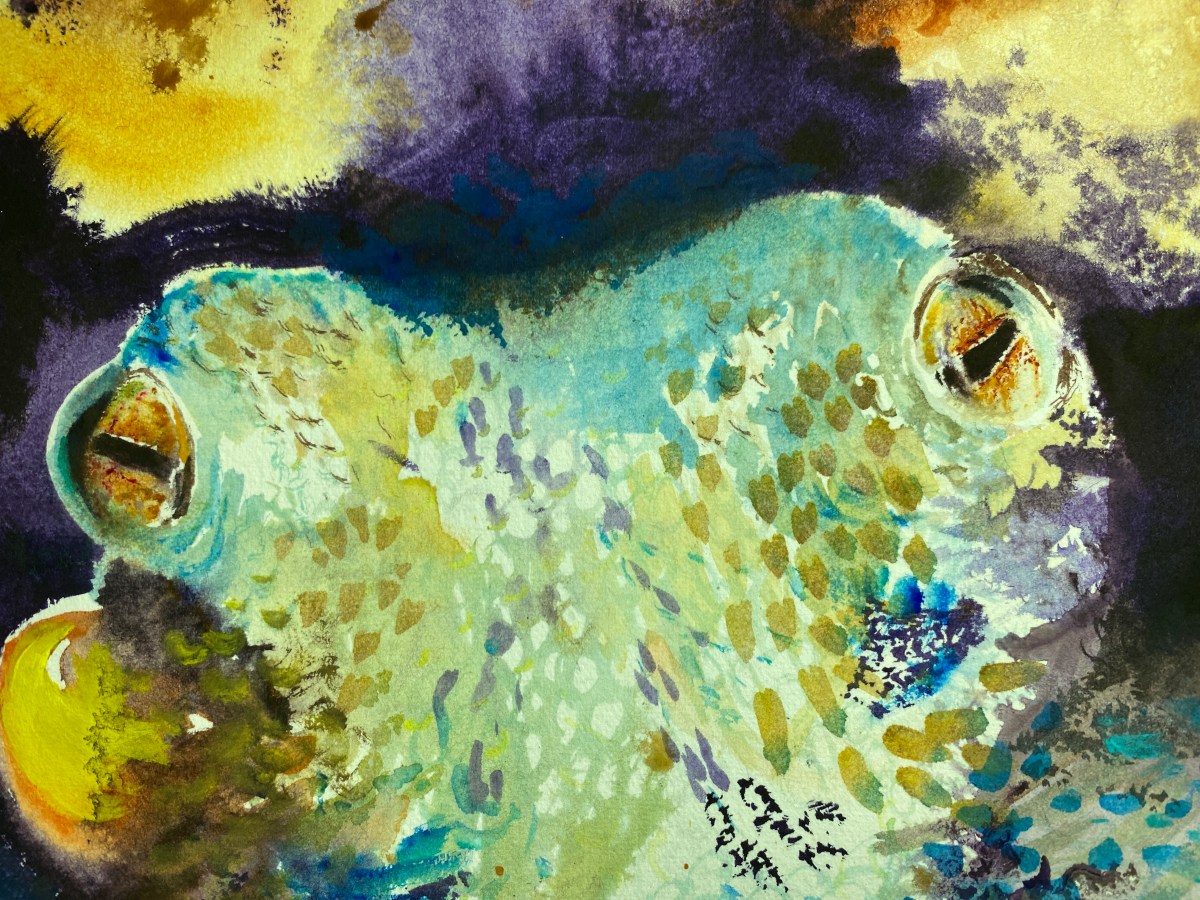
Welcome to my FIRST watercolor tutorial, “Octopoda”, by Sara Rose, April 2021. Traveling as I can and watching nature documentaries in between, this little mollusk was inspired by my previous trips to the coastlines of California and oceanographer’s documentaries on the species. It made sense to paint a creature made up of so much water with watercolor and to also paint the entire piece of art in saltwater. Might as well make her feel at home!

Listen to a podcast of this article here: https://anchor.fm/theregoessararose/episodes/Ep–2-A-4K-Introduction-to-Watercolor–Octopoda-e155if7

LOVE “Octopoda” and want to purchase a print? Check out my store here!

Paint along with me in this time-lapsed, instructional video for beginners in my YouTube video below! If you need to grab similar supplies first, check the list below to see what I used for “Octopoda”!

This is my first watercolor of this size and my aim is to improve with each painting. Constructive tips and tricks are most helpful for each artist and part of why we share our work. Please be respectful in the art community, everyone starts somewhere! What would you like to know I might not have covered in the video? What art medium are you currently using or projects you are working on? Share your thoughts in the comments section below and let’s get started!

Watch the 4K Watercolor Intro Tutorial here: https://youtu.be/mkDSuwOHpvk

Paint & Tools Used:

  • QoR Watercolor, Made by Golden Artist, Introductory Set of 12 Colors
  • Royal & Langnickel Jumbo 50 Watercolor Paintbrush
  • One (1) small and old watercolor paintbrushes (misshapen is great!), inexpensive
  • One (1) line “thin” watercolor paintbrush, inexpensive
  • A Corelle plate
  • Three (3) large cups of water- 2 salted, one unsalted (for cleaning)
  • 15″x23″ Fabriano Artistico cold pressed extra white 300 g/m2 watercolor paper
  • 2″ Masking Tape
  • Kosher Salt
  • Table Salt
  • Lint Free Towel

I highly recommend setting aside a space for painting, a drop cloth is an inexpensive purchase compared to attempting to clean or replacing flooring. Let us know how your painting goes!

  1. Koala Quill's avatar
  2. Unknown's avatar
  3. Unknown's avatar
  4. Unknown's avatar
  5. Unknown's avatar

Dear Adventurers (Part 2)

Hello to the amazing reader who is here for adventure, art, and learning! Introduce yourself in the comment section below and where you are in the world! Setting out on a new path in life can feel very difficult, especially in the early stages. However, the excitement of discovery MUST outweigh the apprehension; we must break out of our shells to metamorphose into what we can become! Currently, I’ve only been on the West Coast of North America, and there is quite a bit that is going to shock me in my travels. In addition, I cannot stop painting if I tried, it will always be a part of how I tell my story. So here I am, sharing the travels and art created, inspired by what I research, learn, and see. We each have a different outlet that needs to breathe when a fire is lit within us. I urge you to REACH for your fire and stir it with every bit of energy and passion you can muster. There is a drive within each of us that, when shared with others, seems to inspire them to make a positive change in their own lives. Share your story as well! The path I described as new, difficult, a change, and scary? This is my path. We must see the world as it is, how it was, and return good back into it. Are you ready? Let us escape, learn, and create!

Listen to a podcast of this travel article here: https://anchor.fm/theregoessararose/episodes/Ep-1-Dear-Adventurers-e15247m

-Sara Rose

One thing I must share, do not mistake me for a tumbleweed, blowing in the wind without direction. This is a story of learning to navigate the rising tides of life, which cannot be done from the shore; We must become the captain of our own seas. I quit my job in August 2019 to focus on switching careers after working 10 years in what felt to be a dead-end government job, I just walked out. I petitioned to take extra classes at school and graduated Manga Cum Laude, a baccalaureate in Multimedia Development and Design in April 2020. What is a degree in multimedia you ask? A program that teaches you just enough in the field of game, VR & web design & development, photography, and videography to make you understand how little you know about content creation. I began my Master’s Degree in May 2020 and started creating online content. I did not expect how much it would change me and the school-project-turned-business became my focus from most of 2020 to early 2021, to the point that I forgot to have fun with my passions. I was just making the best of the situation, not the best for me. Life-altering events made me realize how short life can really be. The world is not going to find me, I must go see the world; I must make this happen for myself, now!

Why are YOU here?

Share your thoughts as we search for COLOR, FOOD, NATURE, HISTORY, ARCHITECTURE, NEW TECHNOLOGY, and FREEDOM OF EXPRESSION! Let us shock our senses, bask in the beauty of an early sunrise, breathe in mountain-top air after miles of hiking, and then create what our hearts and minds have gleaned from the experience. Please feel free to share your adventures and creations as this site and community grows! On this exploration, we will meet friends, old and new. We will learn things that will forever change how we think and speak. We will laugh at my mistakes (I am a HOT MESS!) and learn to laugh at ourselves, all while traveling and painting. I am a helper, but I need to help myself first…truly learn before I can really help others. If you are ready for this, become a part of the journey by participating in any of my media outlets to get the most out of each expedition, whether about travel, art, or the tools we are using to bring you the content!

Artists may express through their creation, however, YOU get to be a part of the very moments of idea-inception to finished product, from wonder to enlightenment! Get ready to join the voyage to expand our brains here at, There Goes Sara Rose! 

P.S. I connected with readers before ThereGoesSaraRose.com went live, here: “Dear Adventurers”, (Part 1).

Join here for more!

  1. Koala Quill's avatar
  2. Unknown's avatar
  3. Unknown's avatar
  4. Unknown's avatar
  5. Unknown's avatar