TRAVEL. CAPTURE. CREATE. ThereGoesSaraRose.com
A new creative chapter is unfolding at There Goes Sara Rose. After years of capturing color through photography, I am turning that same curious eye toward hand-painted artwork small enough to fit in the palm of your hand.
Hello, fellow adventurers!
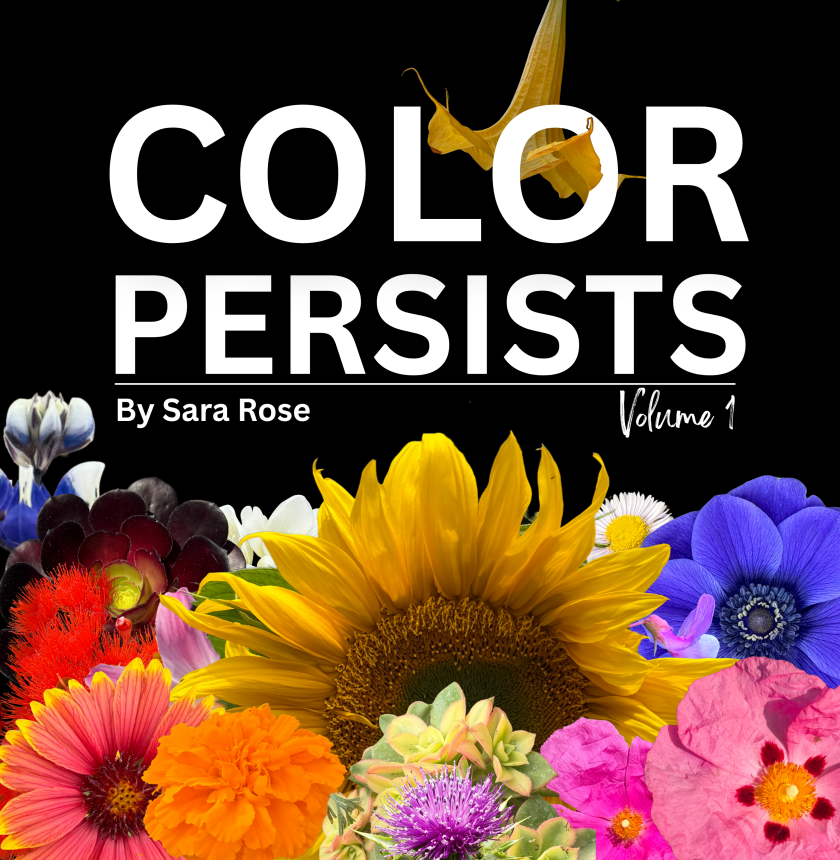
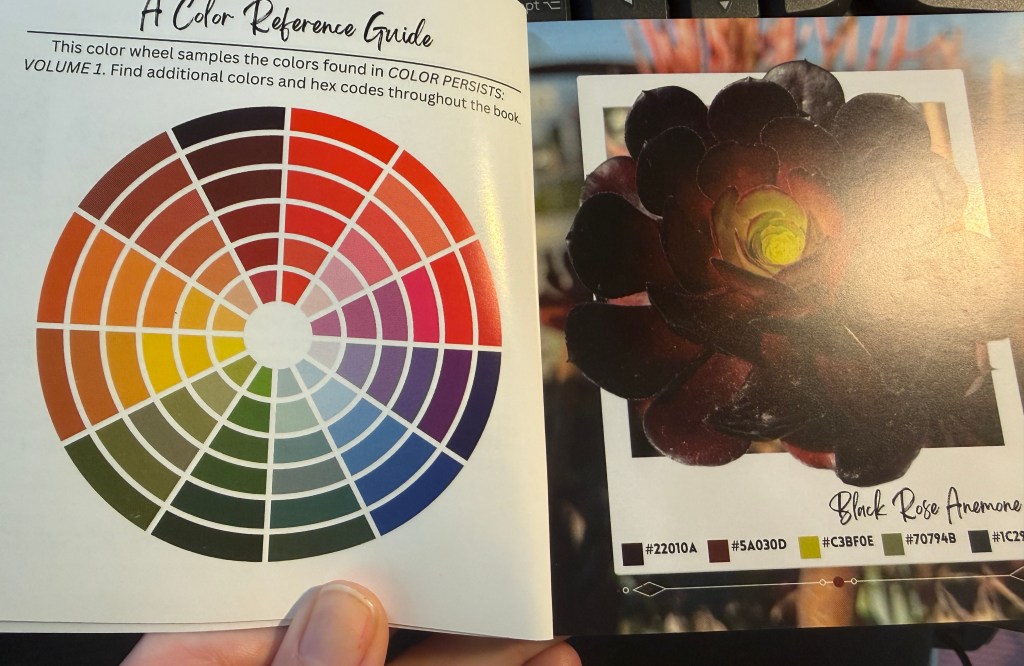
For years, my creative life has been built around noticing. I notice color hiding in weathered spaces, flowers wearing combinations no designer would dare suggest, and small details that are easy to overlook when we are moving too quickly. COLOR PERSISTS: Volume 1 grew from that habit of paying attention and using photography as a library for future creativity.
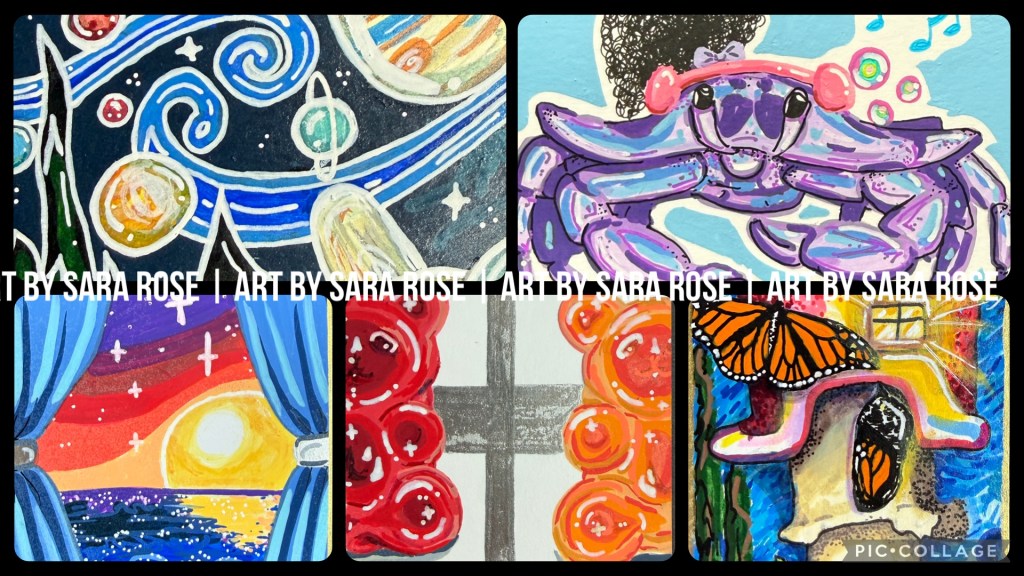
Recently, that same curiosity led me somewhere new. Instead of only capturing what already exists, I have been painting the little worlds living inside my own imagination. Somewhere between mushroom houses, unusual animals, dramatic skies, and headphone-wearing crabs, I discovered ACEOs and became completely obsessed.
If you love the excitement of finding a rare Pokémon card, discovering an independent artist, or collecting tiny objects filled with personality, you may be about to join me.
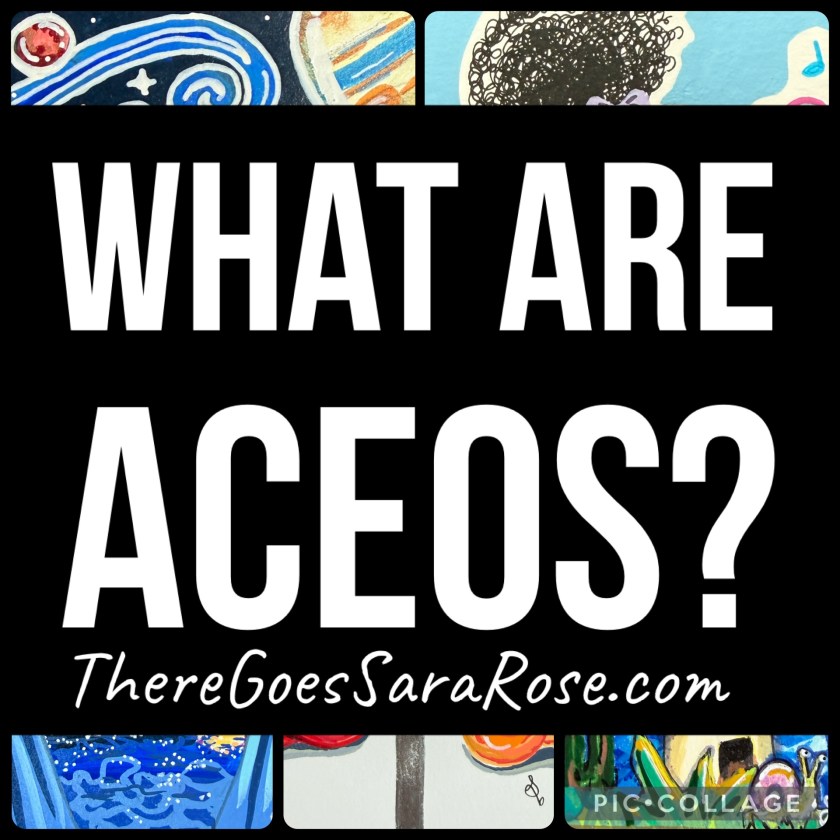
What is an ACEO?
ACEO stands for Art Cards, Editions, and Originals. An ACEO measures exactly 2.5 by 3.5 inches, which is the same size as a standard trading card. That specific size is the main rule, but artists are free to create almost anything within it.
An ACEO may be painted, drawn, collaged, printed, or created with mixed media. Some are one-of-a-kind originals, while others are signed or numbered editions of an artist’s work. Think of an ACEO like a trading card, except the image may have been painted directly onto the exact card you are holding.
That small difference changes the entire experience. You are not simply looking at an image of the artwork. With an original ACEO, you are holding the surface the artist actually worked on, complete with its brushstrokes, texture, decisions, and tiny imperfections.
How Did ACEOs Begin?
ACEOs grew out of the Artist Trading Card movement. Artist Trading Cards, commonly called ATCs, were traditionally created for artists to trade with one another rather than sell. The exchange was part of the culture, which meant selling the cards was initially considered controversial.
In 2004, artist Lisa Luree, also known online as Bone Diva, saw that collectors wanted the opportunity to purchase these miniature works. She developed the name Art Cards, Editions, and Originals to distinguish art created for sale from cards intended only for trade. The idea spread, and a new community of artists and collectors grew around it. [1]
That history is part of what makes ACEOs so interesting to me. They exist somewhere between fine art, trading-card culture, and creative community. It is an unusual combination, but unusual combinations are often where the most interesting ideas begin.
Why Tiny Art?
Creating artwork this small sounds easier than creating a large painting. After all, it requires less paper and less paint. What could possibly go wrong?
Apparently, plenty.
Every line, shape, and color has to earn its limited space. A composition that works beautifully on a large canvas may become crowded or confusing when reduced to trading-card size. Tiny art may use fewer materials, but it still requires planning, patience, and an impressive willingness to repaint something smaller than your thumbnail.
That challenge is exactly what pulled me in. The size encourages experimentation because each card can become a complete idea without requiring weeks of work or an empty wall. One card can hold a sunset, a creature, a joke, a strange fact about nature, or the beginning of an entire fantasy world.
My first ACEOs have already included mushroom homes, stalking tigers, gummy bears, tiny spiders, colorful crabs, and scenes built around light and atmosphere. Some ideas remain individual paintings, while others naturally grow into sets. The cards may be small, but they are giving my imagination more room than expected.
Why Do People Collect ACEOs?
If you have ever collected Pokémon cards, sports cards, postcards, pins, or other miniature treasures, you already understand part of the appeal. There is satisfaction in finding something special, protecting it, and adding it to a collection that reflects your interests.
ACEOs make original art easier to collect and display than many larger works. They can be stored in standard trading-card sleeves and binders, placed in miniature frames, displayed on small easels, or grouped together as a collection. You do not need a large home or a gallery-sized budget to begin supporting independent artists.
There is also something personal about knowing that only one collector can own a particular original. Prints and stickers allow more people to enjoy a favorite design, and I absolutely plan to explore those possibilities. Still, the original card holds the marks made during the actual creative process.
Once that original finds its collector, that exact little world belongs to them.
Where This Adventure Goes Next
Creating the art is the center of this project. Each new ACEO gives me something to paint, photograph, share, and learn from. Some pieces may remain one-of-a-kind originals, while others may eventually grow into prints, collections, or new creative ideas.
My available original ACEOs will be listed through TinyGallery and eBay, with reprints and stickers eventually on Etsy, while ThereGoesSaraRose.com will remain the home of the larger story. This is where I will share new artwork, behind-the-scenes experiments, lessons, and the ideas that connect one project to the next.
This new chapter is not separate from the adventures you already know me for. It was always the goal, and is another way of following the same curiosity that has always guided There Goes Sara Rose.
Travel. Capture. Create.
Sometimes I travel somewhere new and capture what I find. Other times, I travel into an idea and create what I wish I could find there.
What would you love to discover inside a tiny painted world? Leave a comment, follow the process, or send a raven. An email will also work.
Thank you, as always, for adventuring with me. Let’s see whether we can turn pocket-sized paintings into a dragon’s hoard.
Until the next time, checkout my current items for sale at www.AskSaraRose.com and head to my eBay!
— Sara Rose 🧚♂️🎨📦