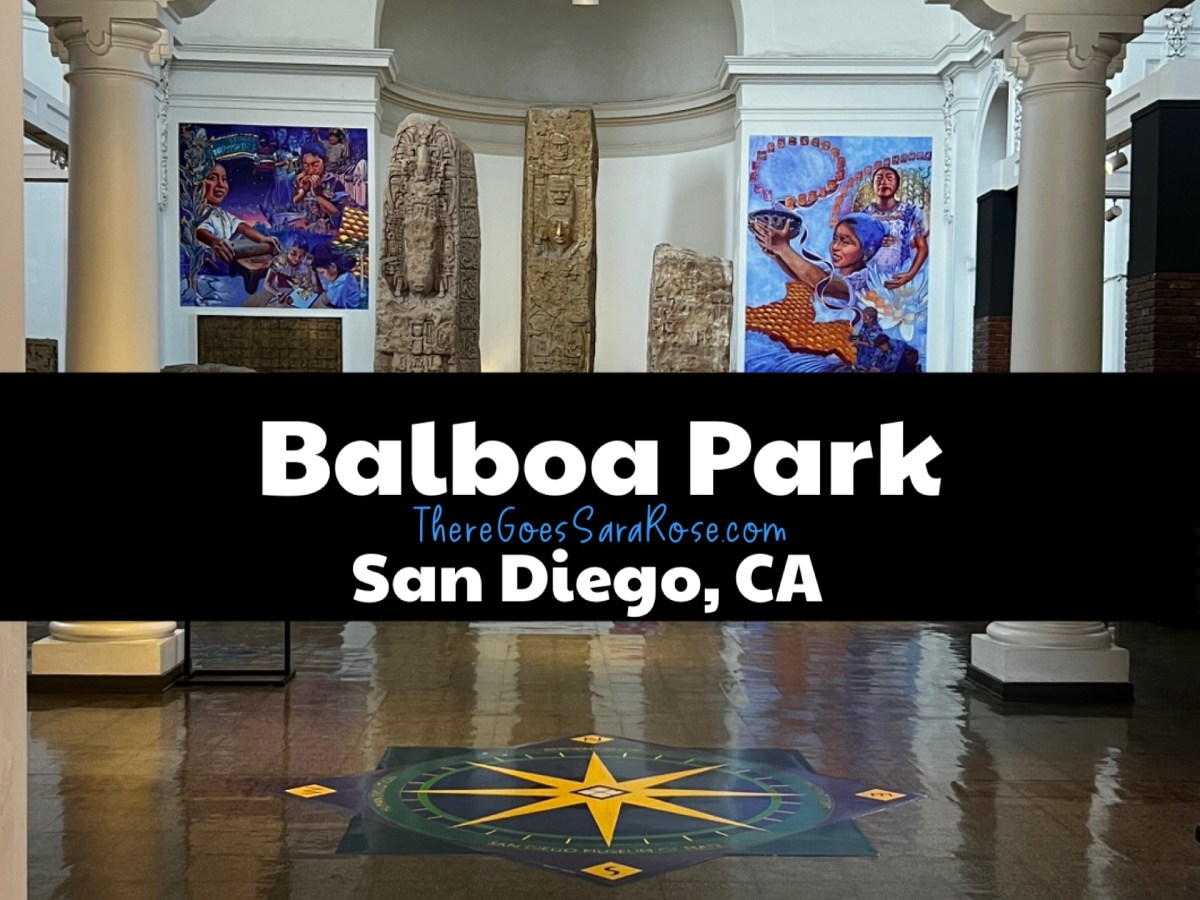
Balboa Park, Soundchecks, and the Art of Being Present || ThereGoesSaraRose.com

A quiet moment in Balboa Park became one of the memories that shaped my “in-between year.” From soundchecks drifting through arches to gardens layered with history, this post explores presence, creativity, and what this San Diego landmark taught me about designing a meaningful life.

TRAVEL. FOOD. DESIGN. ThereGoesSaraRose.com

It was late August 2024 when I found myself wandering through Balboa Park — one of those aimless, golden-hour afternoons that happen when your plane doesn’t leave for several more hours and your brain finally gets permission to breathe.

The sun was sliding behind the Botanical Building, casting a soft glow across a lily-covered pool. Somewhere beyond the plaza, a soundcheck drifted through the arches — The Doors, then Pink Floyd, echoing from the Spreckels Organ Pavilion like a memory waking up. It wasn’t loud, it wasn’t a performance. It was just enough to stop me mid-step.
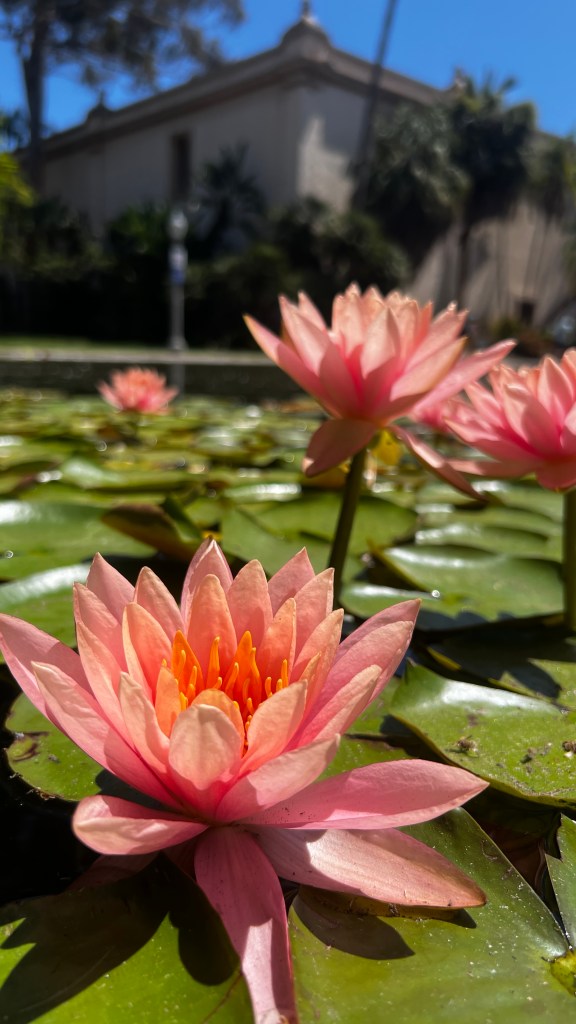
Water lilies photo by Sara Rose, 2024.
Reflections and water lilies at the Balboa Park lily pond. Photo by Sara Rose ©2024.

I didn’t go to Balboa Park with intention, or an itinerary, or even the thought that this moment would matter. But looking back now — over a year later, after finding peace in quiet truths — I realize this was one of the moments that stayed with me. A memory from the “in-between year” that knew it belonged to a future version of myself.

Because the best travel moments don’t announce themselves.
They find you.
They ask you to be still.
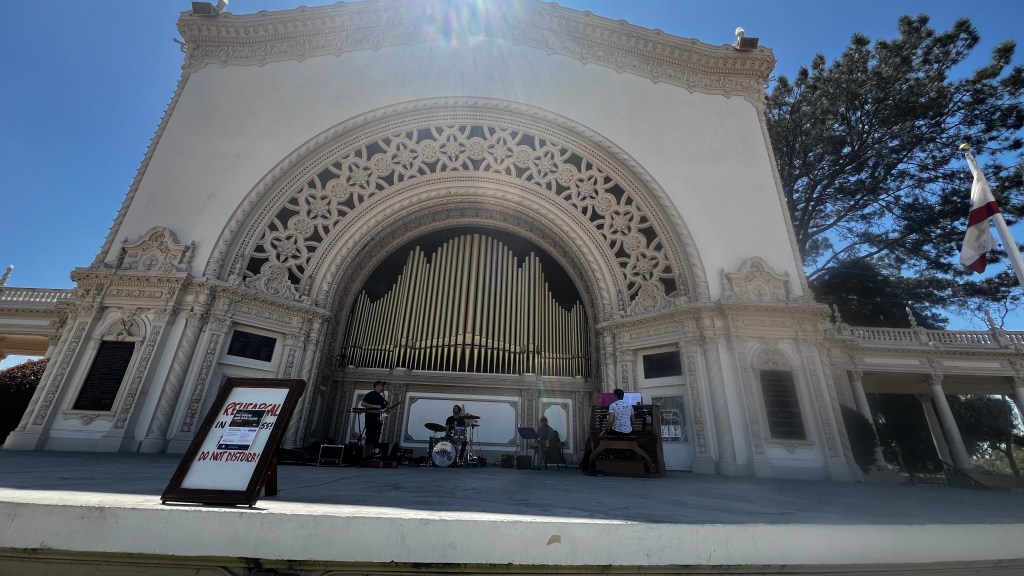
Spreckles Organ Pavilion. Photo by Sara Rose ©2024.

Exploring Balboa Park

For those who haven’t wandered its pathways yet, Balboa Park is San Diego’s 1,200-acre cultural heart — a sprawling network of gardens, trails, museums, historic architecture, and performance spaces just north of downtown. Home to 18 museums, the San Diego Zoo, the Starlight Bowl Amphitheater, miles of walkable promenades, and more than a dozen curated gardens, the park is designed for slow exploration. You can browse world-class art, watch a rehearsal drift from an open-air stage, grab something delicious from The Prado, or simply follow whatever path the day hands you. If you want to plan your own visit, the official park website offers maps, current exhibits, and accessibility details: balboapark.org.
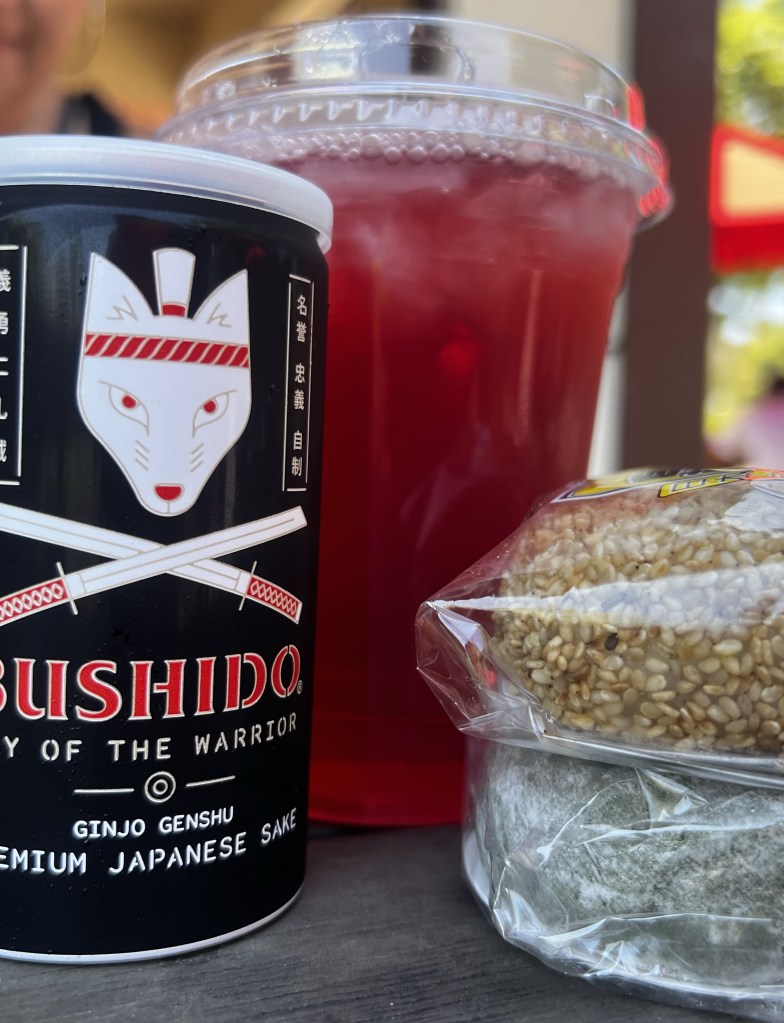
Bean cakes, Sake, and Tea in Balboa Park, San Diego. Photo by Sara Rose ©2024.

Layers Upon Layers

Even in 2024, when I wasn’t posting much, the park felt like a reminder of how much a single place can hold. Balboa Park hums with layers. Spanish Colonial façades wrap around art galleries. Desert gardens unfold near koi ponds. Palm trees brush the sky beside Moorish columns. It’s not one story; it’s dozens of them stacked and shifting as you walk. Free art museums sit unassuming yet host paintings I’d only ever seen before in history books.
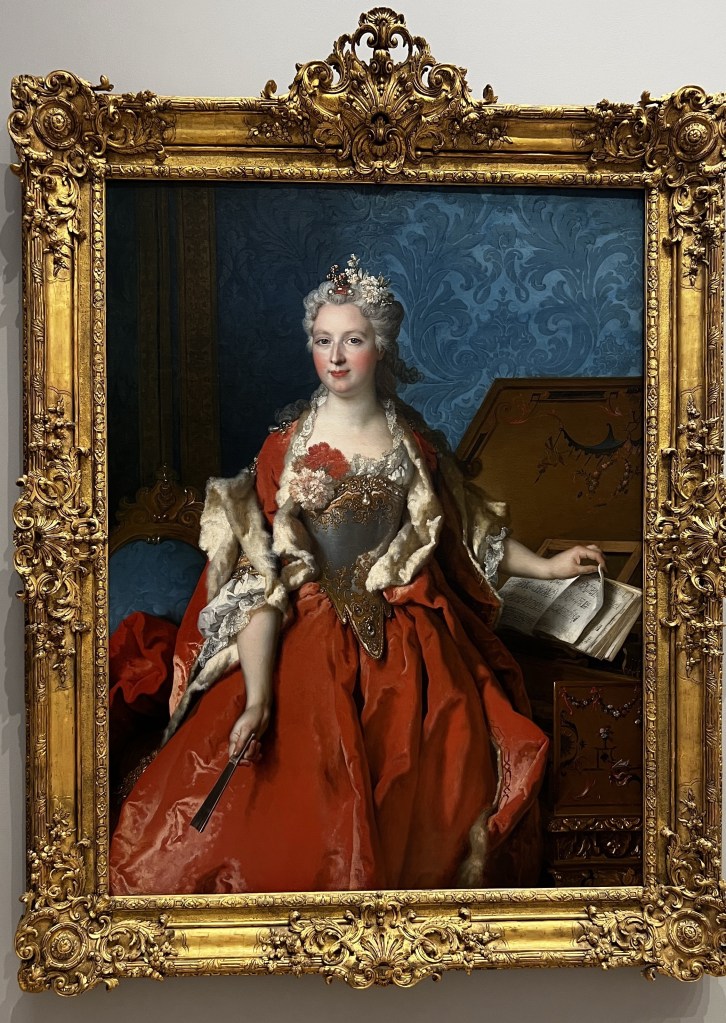
Portrait of Marguerite de Sève by Nicolas de Largilliére. 1729. Oil on canvas. Photo by Sara Rose ©2024.

Those few hours, I drifted through all of it, just soaking in the atmosphere. I wandered the Prado walkways and explored the botanical gardens. I enjoyed the sun-warmed alcoves between the San Diego Museum of Art and the Mingei. There was art everywhere — much of it protected, all of it deserving to be seen in person. Screens flatten what the world intends to be dimensional.
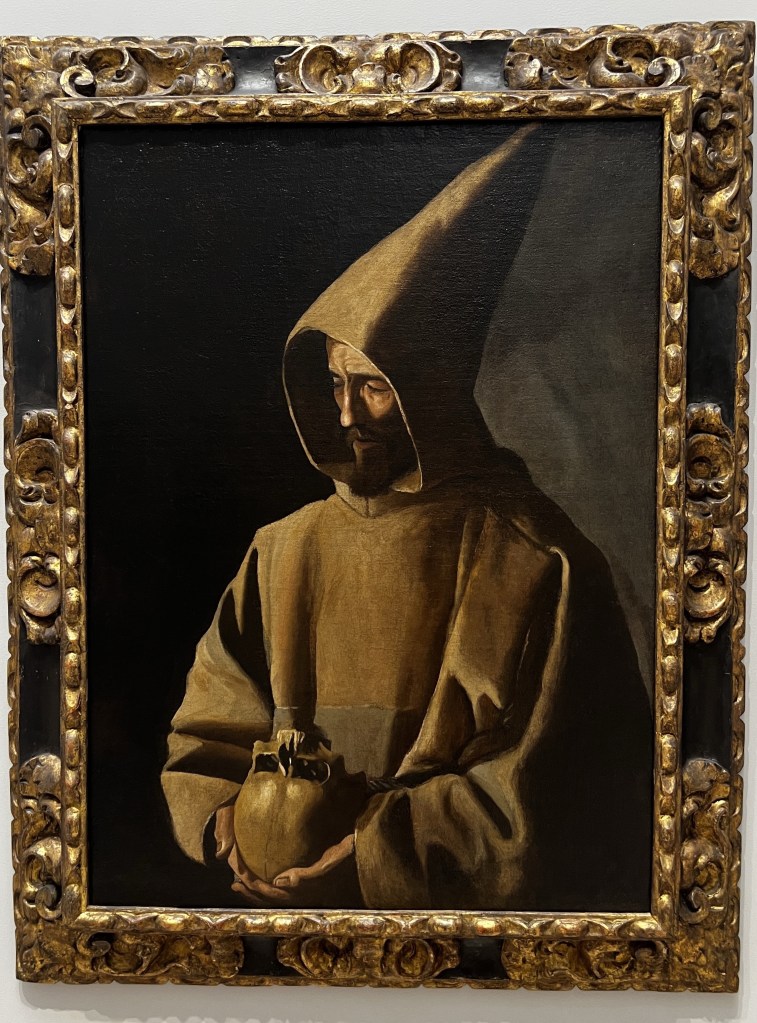
Saint Francis in Meditation by Francisco de Zurbarán. 1635. Oil on canvas. Photo by Sara Rose ©2024.

And maybe that’s why this moment returns to me now.
Because presence — real, grounded, unforced presence — is becoming the center of everything I create. Some things can be shared, the importance the history – but to be changed one must experience it for themselves. I can only relay how these places in California have changed me. You must decide to get up and be changed yourself.
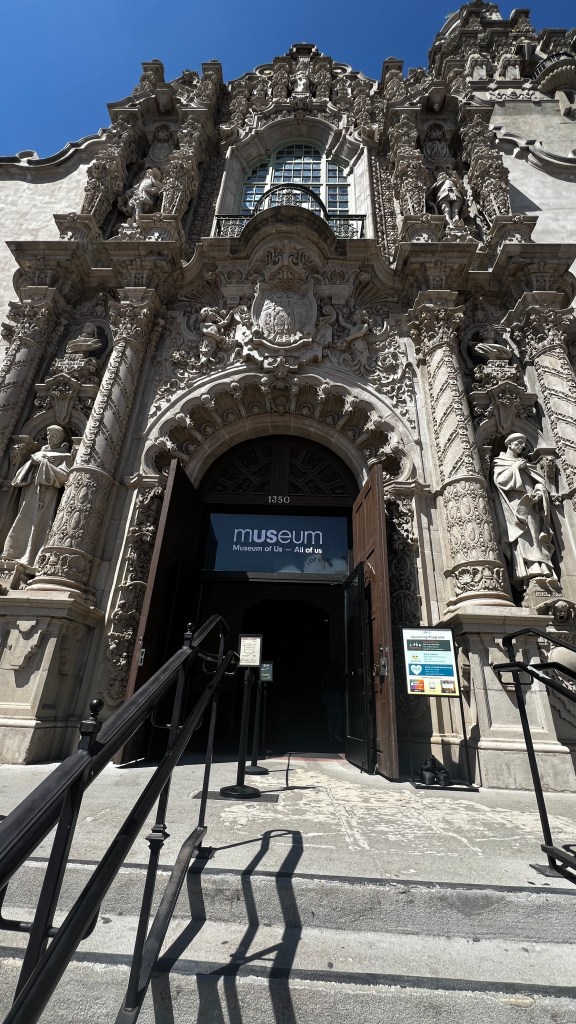
Museum of Us entrance. Sara Rose, 2024.
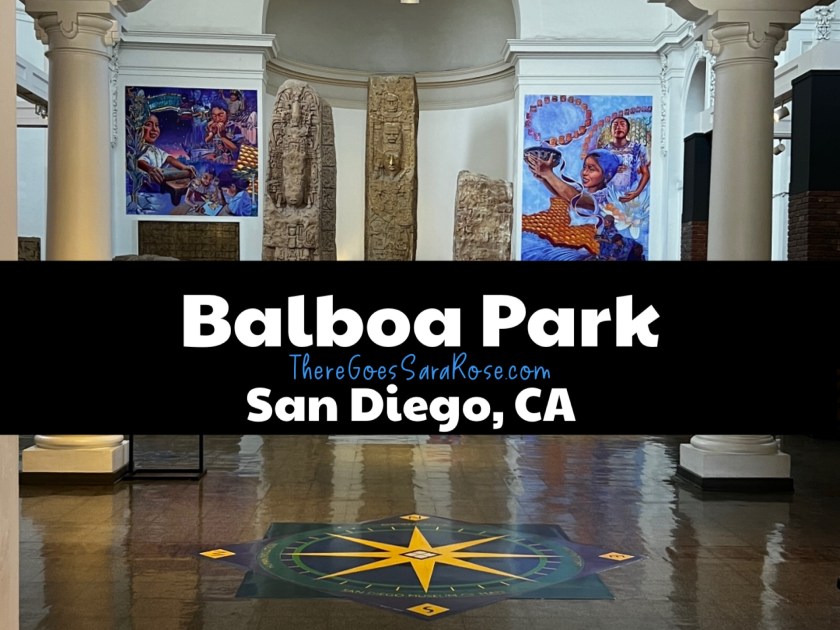
Entrance to The Museum of Us. Photo by Sara Rose ©2024.

The Quiet Year

I wrote in my Point Lobos post about the quiet season I stepped into. It included graduate school, new work, and new rhythms. There were also inner shifts that don’t happen on a public timeline. That year wasn’t loud, but it was formative.

Travel has always been how I process the world and myself. But in 2024, something shifted. I began thinking not just about experiencing moments like this. I also considered designing experiences that help others learn. These experiences help others reflect and explore.

That’s what led me deeper into instructional design.
That’s what led me to graduate school.
And ultimately, that’s what led me to begin writing a book.
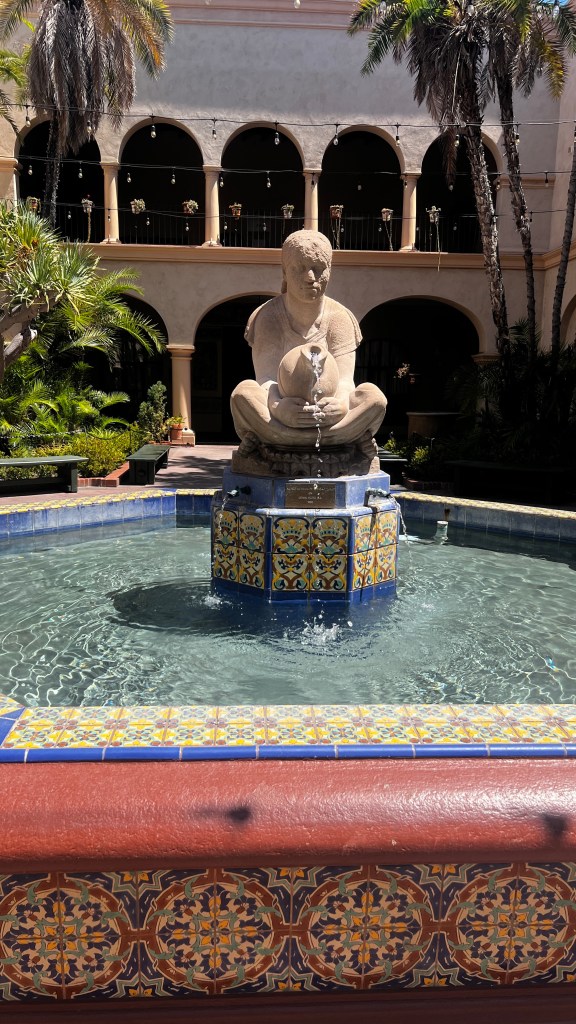
The House of Hospitality, Historic Garden. Photo by Sara Rose ©2024.

Building Something New

For the last year, I’ve been deep in a Master’s program in Instructional Science & Technology — work that’s reshaped how I see places like Balboa Park. Travel isn’t just movement; it’s experiential learning. It’s design in the wild. And the more I studied how people learn, the more I wanted to help others create experiences that feel just as intentional and human.

That’s why I’m writing The Instructional Designers’ Field Guide — a practical, research-informed handbook for anyone building courses, trainings, or online learning environments. Whether you arrived in this field on purpose or by accident (like so many of us do), this guide is meant to feel like a compass: clear, friendly, and grounded in real practice. It’s for the curious, the career-switchers, and the quietly ambitious creators who want their work to actually make a difference.
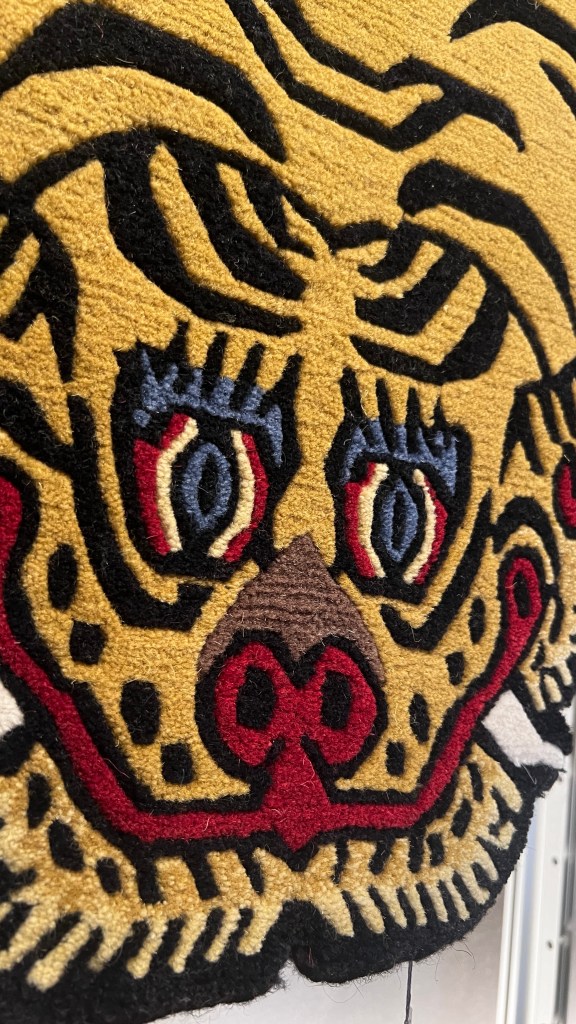
Tiger Rug for sale at Blaboa Park
Tibetan Tiger Rug for sale in Balboa Park. Photo by Sara Rose ©2024.

This guide is for you if you’re stepping into online learning, just like this blog is for you if you enjoy experiential learning, second-hand. It is also for those entering course development, accessibility, or training design. This is especially true if you come from a nontraditional path. It’s built for the curious, the quietly ambitious, the people who want to create meaningful learning experiences that feel human.

And it turns out that travel, food, and design all belong in the same story:

  • Travel is experiential learning.
  • Food is sensory storytelling.
  • Design is how we shape the way others move through knowledge, places, and moments.

Balboa Park reminded me that those threads were always connected.
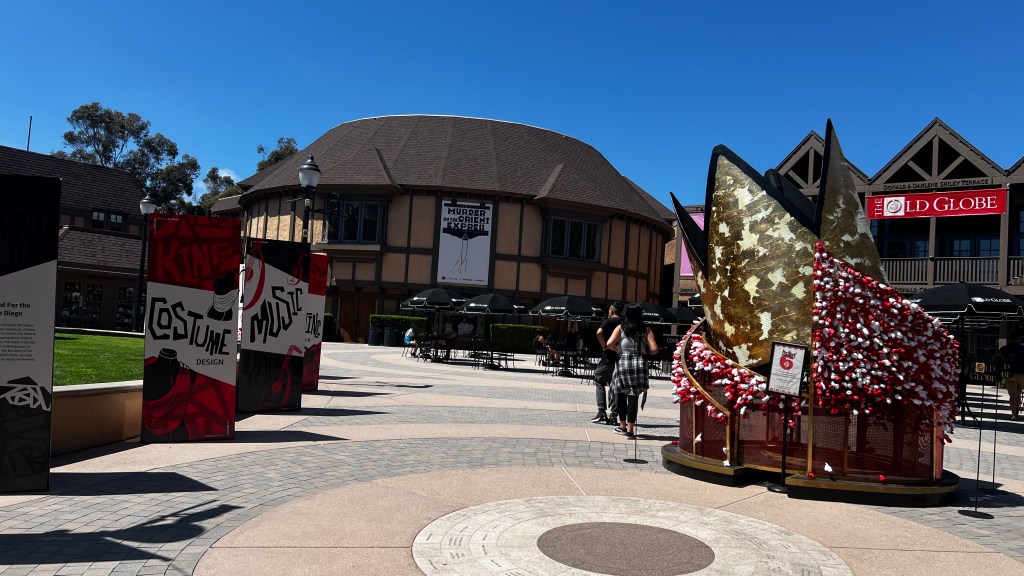
The Old Globe Theater. Photo by Sara Rose ©2024.

What’s Ahead

ThereGoesSaraRose.com is growing into what it has always been:
a space where Travel, Food, and Design intersect.

Here, you’ll find:

✨ stories from the road — past and present
✨ the ways culture and creativity show up in unexpected corners
✨ behind-the-scenes looks at my graduate work and book development
✨ instructional design insights grounded in real lived experience
✨ reflections on curiosity, reinvention, and building a life you want to stand inside

I’m still Sara Rose.
Still going places.
Still learning, still designing, still following the small moments that light up the path forward.

Just bringing a few new tools along for the ride.
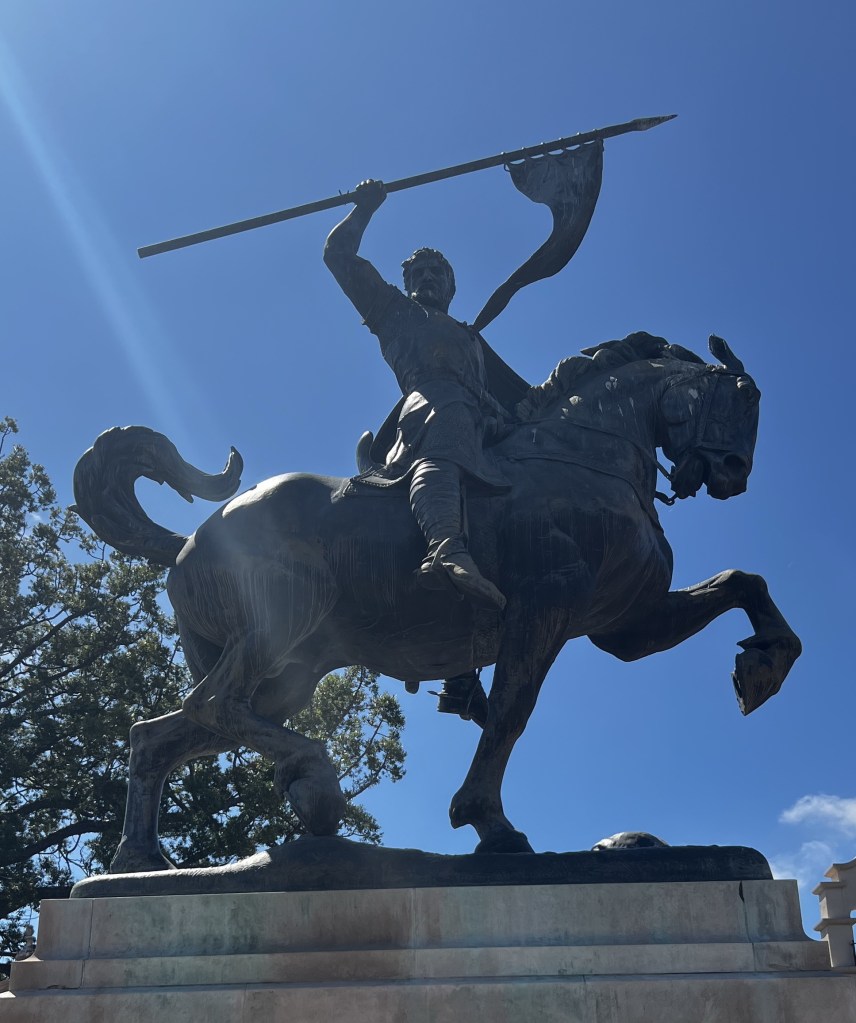
El Cid Campeador, statue. Photo by Sara Rose ©2024.

Join the Story!

Have you explored Balboa Park or a place that surprised you in a similar way? Tell me what stayed with you. I love hearing about the moments that change someone’s journey. Until next week’s blog, make sure to take some time to enjoy a special bit of Travel, Food, and Design!
History, Art and the Free Spirit on Route 66 || 16 States in 16 Days

Come along Route 66 with me and JOIN THE ADVENTURE!

TRAVEL. ART. FOOD. ThereGoesSaraRose.com

You know about US Highway 66, not because you are deeply invested in highway systems, but because of the yearning for freedom. Though it wouldn’t be completely paved until 1938, US Highway 66, commonly known as Route 66, entered the US Highway System in 1926. Its significance takes many forms. It was the first all-weather highway between Chicago and Los Angeles, two massive economic focal points of the American West. Its development from dirt-road-to-superhighway epitomizes economic development and the remarkable geographical links brought about by a robust national public highway system. Its birth and development came at a time of immense turmoil and economic upheaval, yet it persisted.

Listen to a podcast of this travel article here: https://anchor.fm/theregoessararose/episodes/Ep-9-History–Art-and-the-Free-Spirit-of-Route-66–16-States-in-16-Days-e1570m1

As a result, it became the romanticized highway we know today, coming to symbolize the optimism that fell over the American people after WWII. Bridging the Rocky Mountain divide and stretching to the Pacific Ocean, Route 66 represents the free-spirited ideation of a country already firmly built on free-spirited ideation. Pulling on the history of the USA with its free-spirited energy, and embracing what it means for my own adventures, is why I’m going.

Why is this trip so pivotal? This is the first time I have left the West Coast, the first time I have traveled on such a road trip, and the first time I have gone so far with the specific goal of collecting and sharing what I can with all of you (translation: Taking more tech supplies than clothes!). This is the moment I set out on my professional path, one I carve out for myself, and I welcome you to come along as, “There Goes Sara Rose”!

How to Road Trip on Route 66

“Historic” vs Interstate

In 1985, Route 66 was removed from the United States Highway System, as its utility had become unnecessary in the wake of the successful Interstate Highway System. After it was decommissioned, numerous organizations worked to preserve significant structures, features, and artifacts of the road. Their work has resulted in the “Historic Route 66” that we know today. This is not to be confused with Interstate 66 (I-66), which is not connected whatsoever to the original Route 66. 

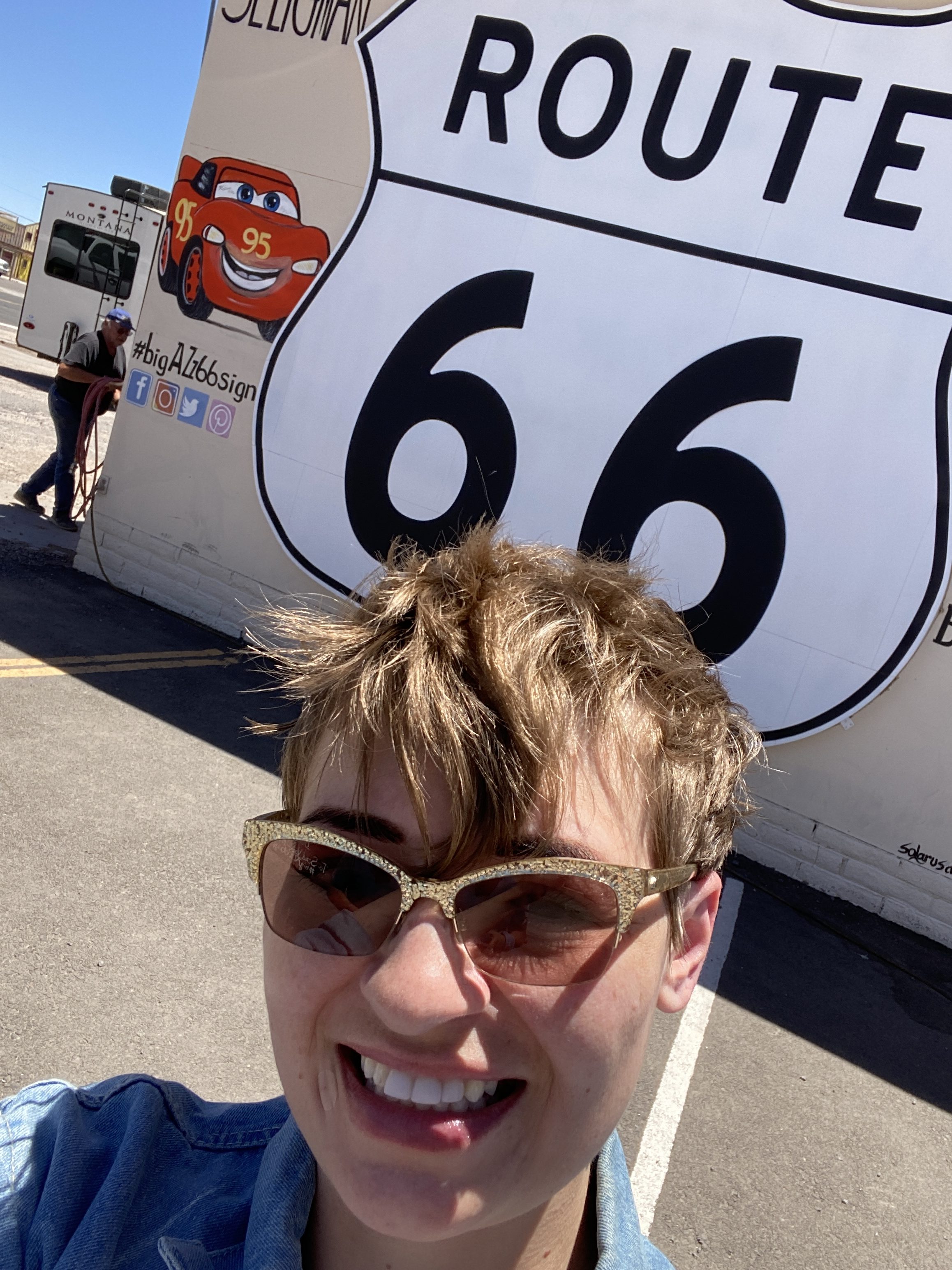
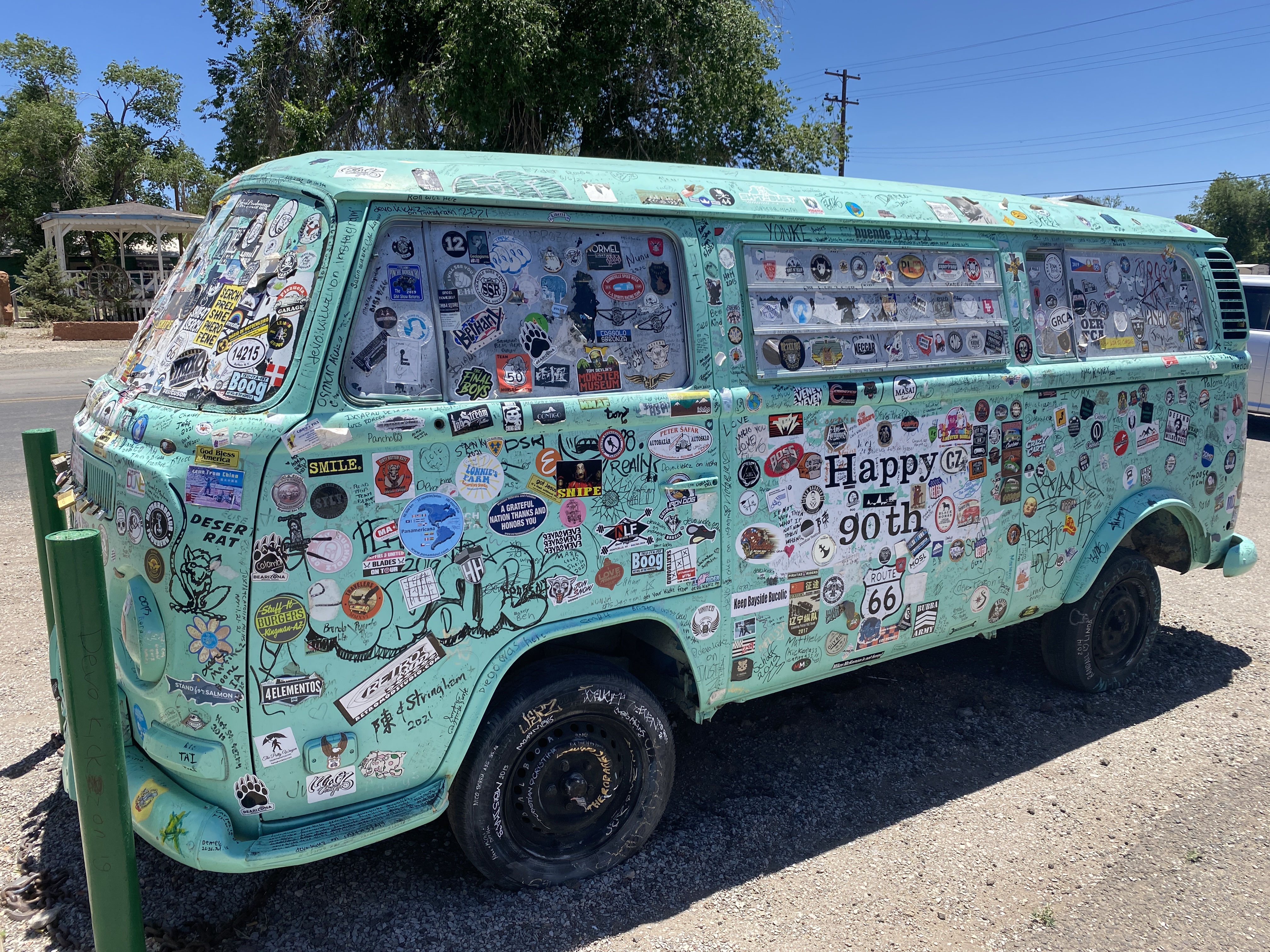
VW Bus Tourist Stop next to The Copper Cart in Seligman, Arizona. Photo: Rose, S. (2021)

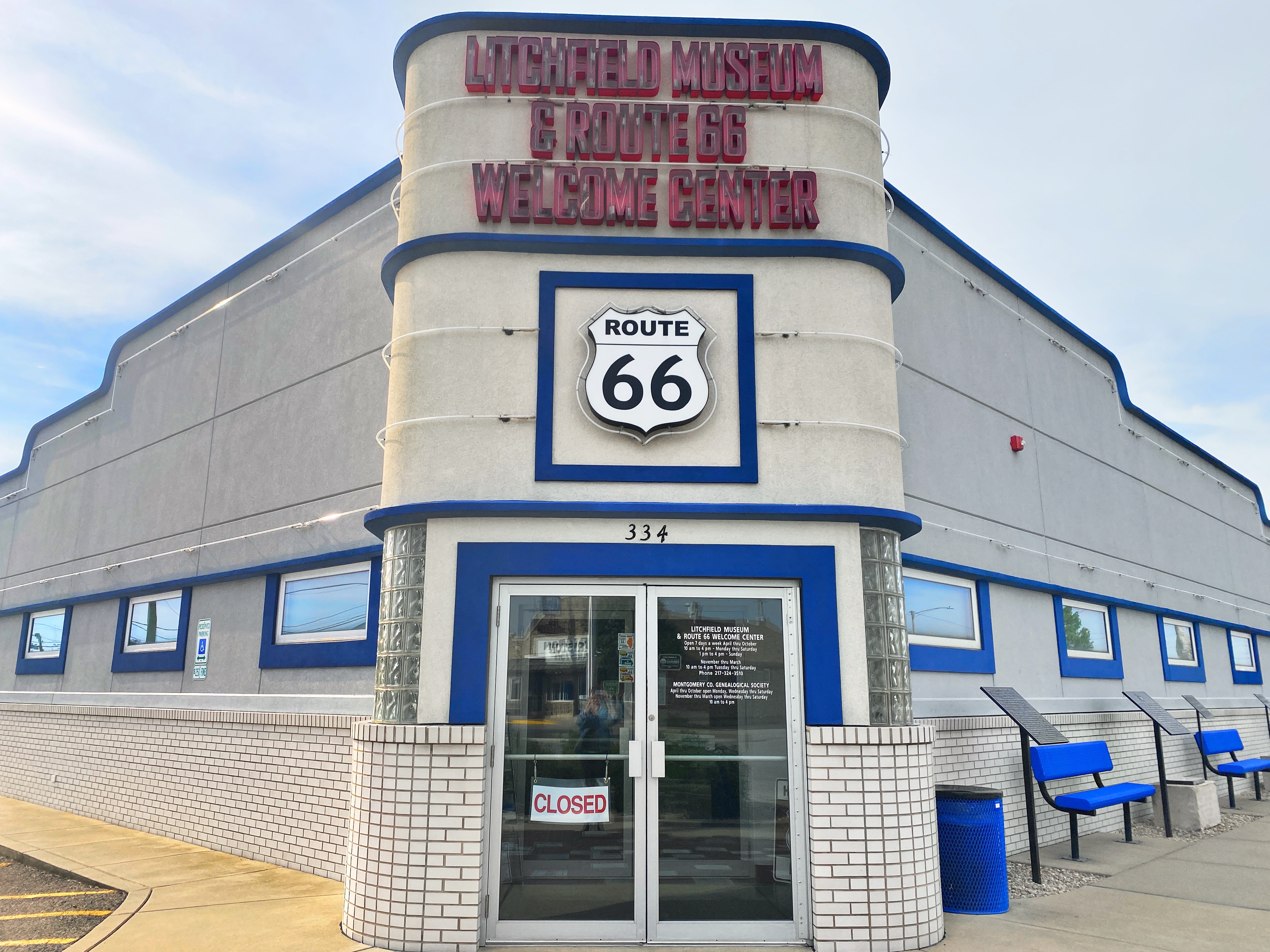
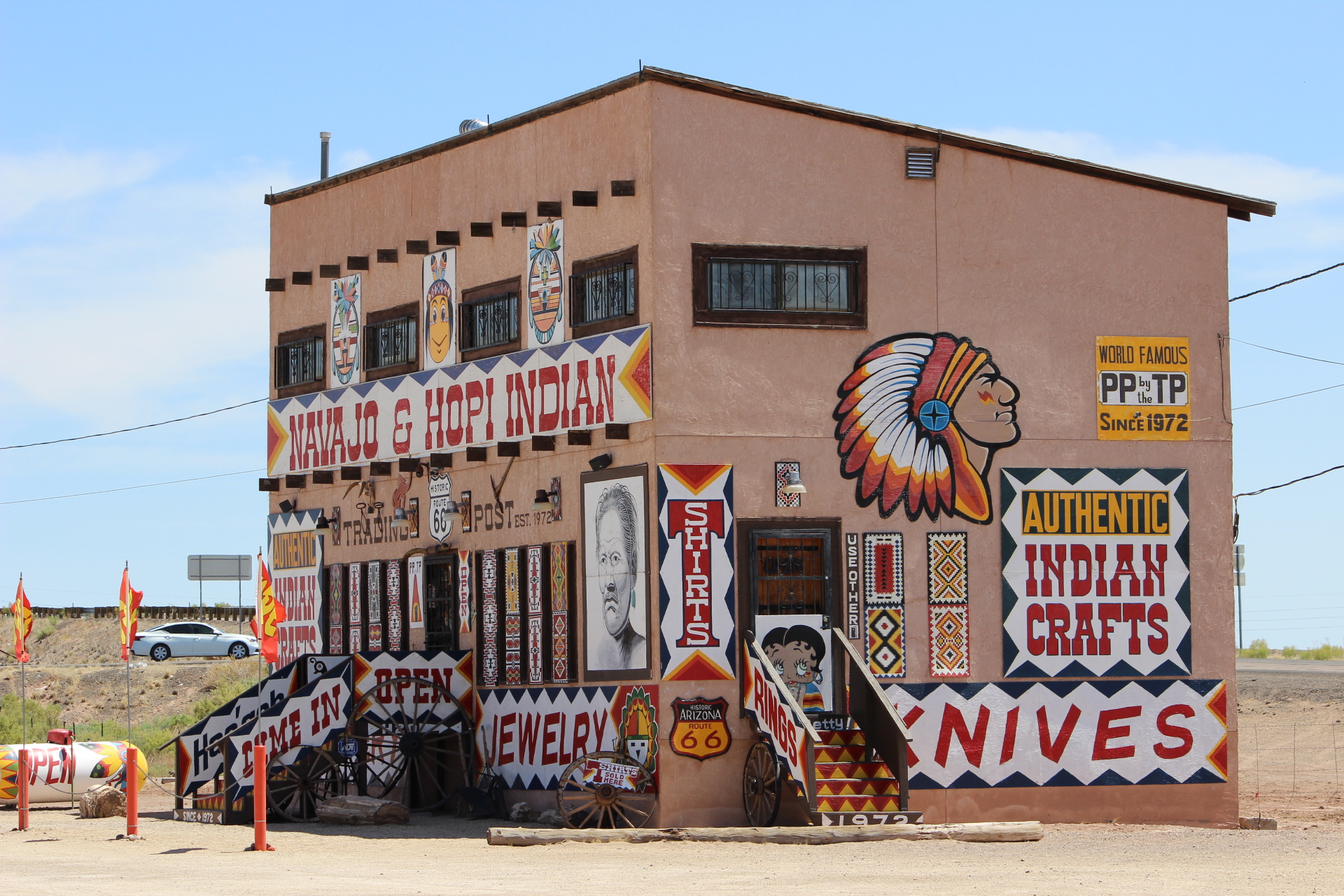
The modern version of Route 66 we know today isn’t entirely drivable, as it no longer needs to serve as a functional highway. Instead, the drivable portions serve as monuments to American history. Some of these spots have been turned into historic locations with informational posts, signs, and more! You will see many on my socials and here at ThereGoesSaraRose.com.

Navajo & Hopi Indian Arts and Crafts Center in Winslow, AZ Photo: Rose, S. (2021)

Packing Your Clothes

Compression travel bags, such as the Hefty Shrink Pak Travel Bags I used, are an excellent way to pack for a road trip when organized correctly. A packing tip section may sound simple, but these bags and this method saved me hours of frustration:

  1. Keep your clothes CLEAN! You may try to keep dust and dirt out of the car but the windy air will not allow it!
  2. Keep your clothes EASY TO ACCESS! With one bag per day for clothes, you can skip taking the suitcase into your lodgings except when it is time to wash. Traveling with friends? Still consolidate outfits into one bag per day.
  3. Keep your clothes ORGANIZED! Folding and keeping bags flat as possible before compression leaves room for important extras such as swimsuits, extra socks, a windbreaker etc. to help with various weather plans.

You will want to map out a plan regarding when you will clean your clothes and take change and laundry soap; do not assume you will have clothes cleaning services nearby! Having a windbreaker, rain poncho, and/or warm weather gear when traveling in winter is a key part of being prepared for anything.

Route 66 Highlights-Subscribe for More!

The love for nostalgia is evident in the care that has been taken with preserving these pieces of history, a moment in time saved to share a story. Many of the stops have several signs touting a landmark of some type, beaming with pride at passing drivers, enticing them to “take the next right!”. The unplanned stops became my favorite; the finding of the unexpected just as appealing as a curated museum. A friend and I spent almost an entire 16 days photographing, recording, and taking notes of various parts of the United States, from the Mojave Desert to New Orleans, from Chicago to Las Vegas. Make sure to subscribe and follow this blog to be the FIRST to get these stories, photos, and more!

Here are a few excellent attractions along Route 66 I missed I planned to return to, such as:

Delgadillo’s Snow Cap Drive-In

Located in Seligman, Arizona is a historic eatery that was built in 1953 by Juan Delgadillo. It stands out from the crowd quite literally as it was built mostly from scrap lumber. Flamboyant and humorous, featuring menu items like “Dead Chicken” and “Cheeseburger With Cheese”, Delgadillo’s is a delightful stop on Route 66. 

Cadillac Ranch

A public art installation in Amarillo, Texas, Cadillac Ranch is one of the many quirks of Route 66. Buried in the desert sand are ten graffiti-covered Cadillacs. Visitors to the installation are welcome to contribute to the artistic display with their designs spray-painted onto the Ranch’s vehicles.

The Wigwam Motel

A curious motel in Holbrook, Arizona furnishes guests with the chance to sleep in wigwams for the night instead of traditional motel rooms. While the rooms are shaped like tipis as opposed to the more hut-like wigwam, this kitsch motel is still a great place to lay your head.

Join The Adventure!

The dream of travel, seeing places never seen, and turning that into art, is the whole reason why I write this blog. If that’s something you’re dreaming of too, I hope these posts help inspire you towards taking your own journey. Want to get your kicks on Route 66? Come along with me for the first major leg of my travels in “16 States in 16 Days”! Follow me on social media for updates as they happen and subscribe to my blog for stories on my adventures. Thank you for coming on this journey with me.

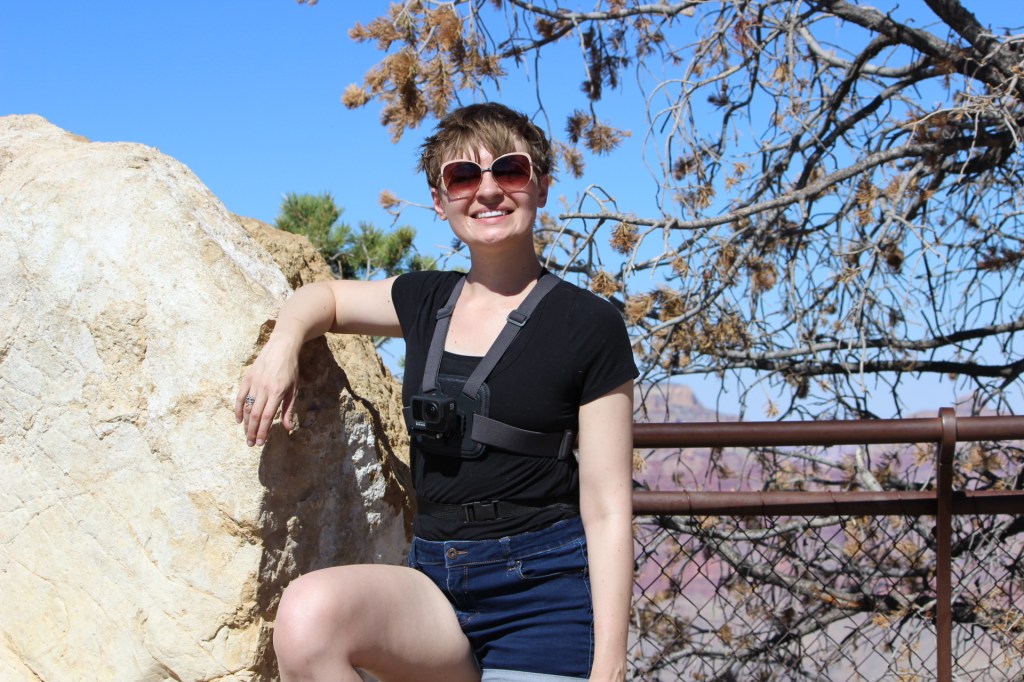
Sara Rose at the Grand Canyon, Arizona. (Photo: Neri, M. 2021)

P.S. Notes while traveling are key! Purchase Word Vomit: A 90-Day Expression Journal to give yourself space for mindless doodles, inspiring art, and processing unfiltered emotions! This is a great way for you, your friends, or kids to prepare for a blog of your own or just word vomit!